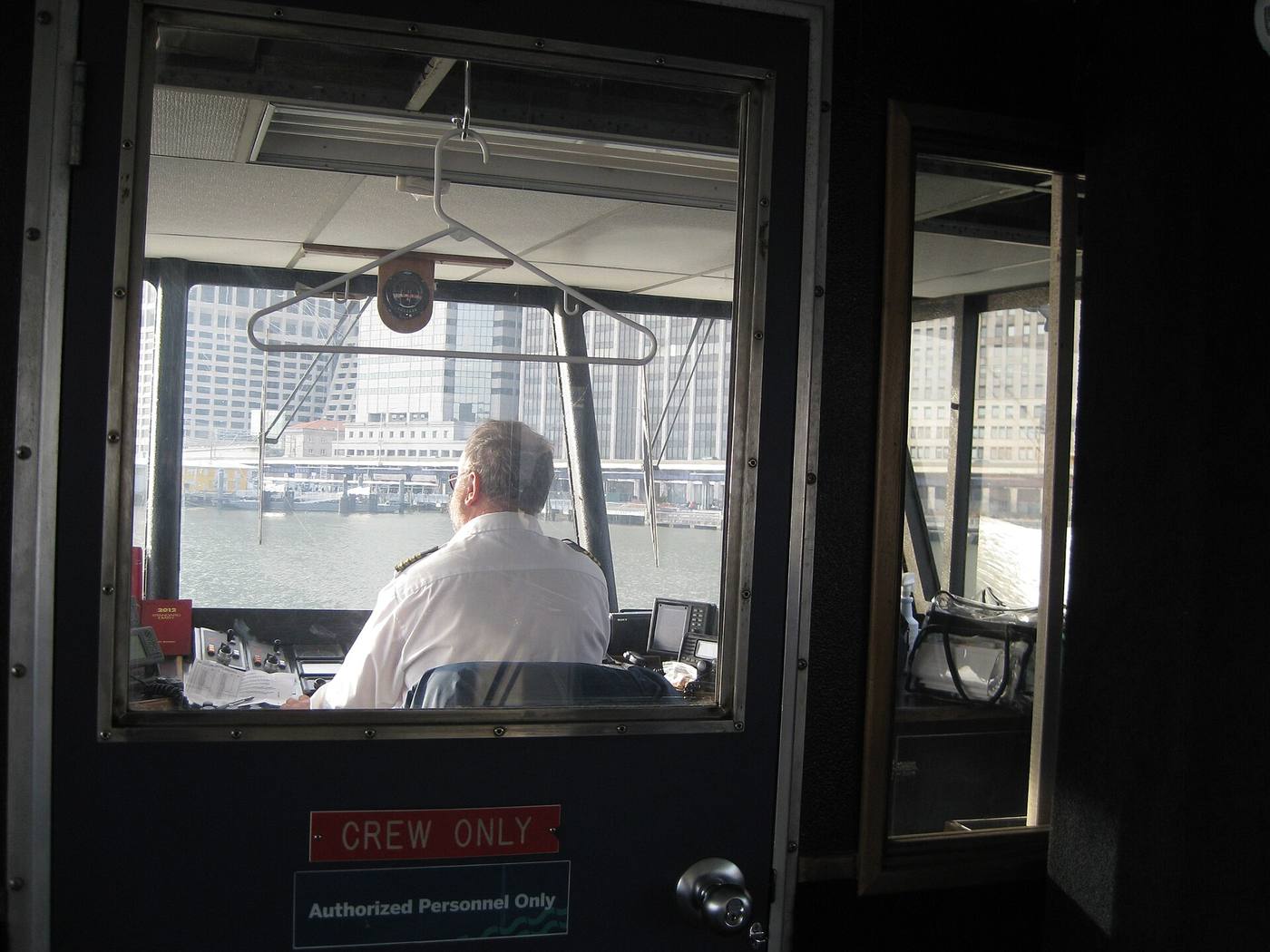
The master is maritime law's oldest institution — the single human aboard who holds authority over vessel, cargo, and crew. Autonomy challenges that institution not by eliminating it, but by separating the authority from the presence: a master who isn't on the ship, supervising a system that does what the crew once did.
The future shipmaster question is the human-facing version of the autonomy question — and the answer is a role transformed rather than abolished: fewer people holding more consequential authority over a more capable system.
Key findings
- The master's role shifts from conning the ship to commanding the system — supervisory authority over an autonomous function. Established
- Presence and authority separate — the master may sit ashore at an ROC, or supervise multiple vessels, or remain aboard in reduced crew. Established
- The authority's content doesn't disappear — the legal responsibility, the safety override, and the commercial accountability remain human. Established
- The role's skillset transforms — from seamanship-plus-leadership to seamanship-plus-systems-supervision-plus-remote-management. Maritime-GPT analysis
- The master's authority is the MASS Code's anchor — the doctrine the autonomy regime preserves rather than replaces. Established
Authority without presence
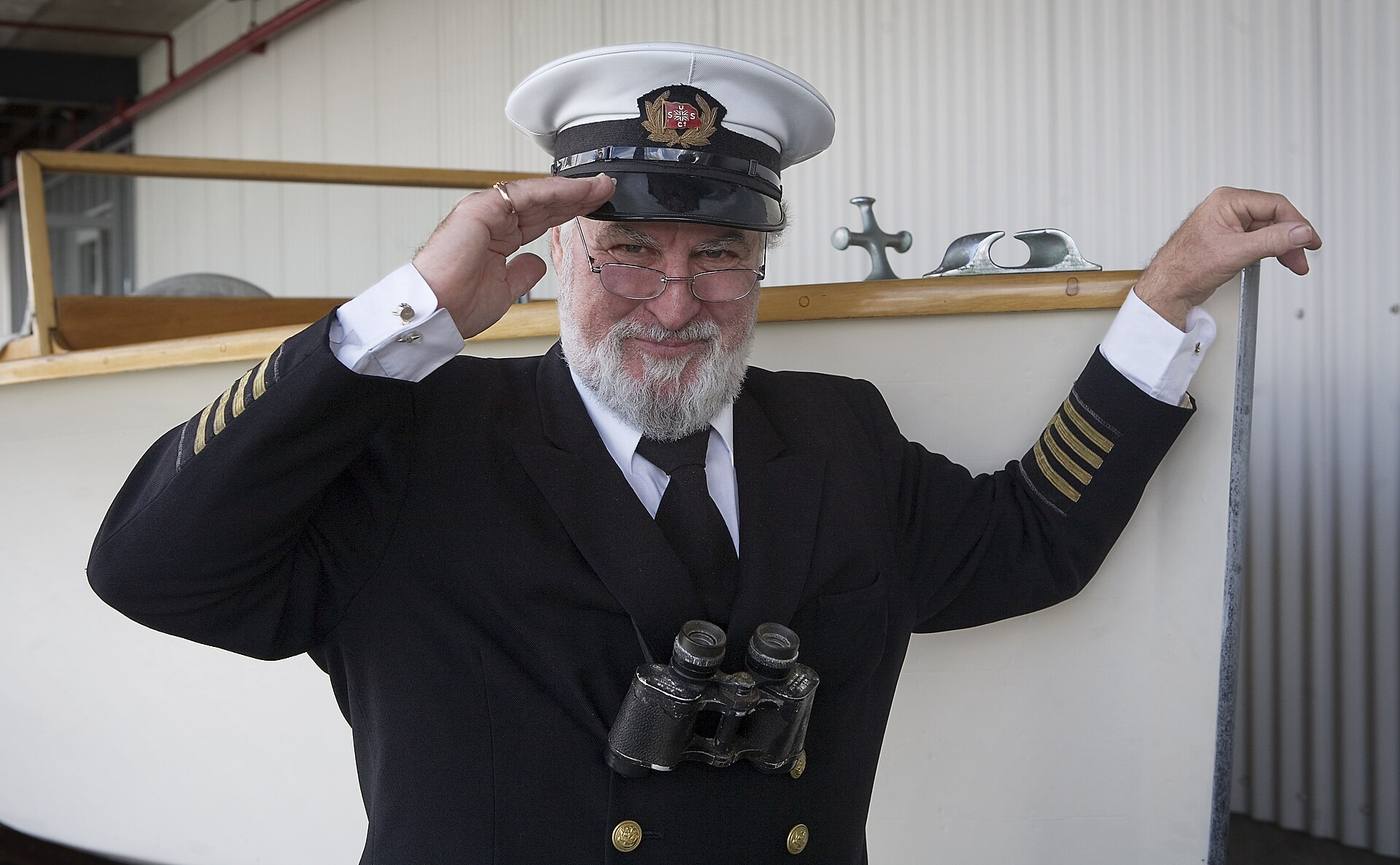
The master's authority was built on physical presence — the person on the ship, holding its conn, responsible for its safety. Autonomy breaks the link: the vessel can sail itself, the master can sit at an ROC, and the authority must be re-described in terms of supervision rather than conning. The question the regulation is answering is whether that authority can be remote, divided across a centre, or stretched over multiple vessels — and the answer shapes what the role physically is. Established
What remains human
- <strong>Legal responsibility.</strong> The accountable person — the master who answers for the ship — remains because a casualty needs a defendant and a decision-maker. Established
- <strong>The override.</strong> The authority to countermand the autonomy — the human's retained veto — is the role's safety core. Established
- <strong>Commercial judgement.</strong> The cargo, the charter, the deviation decision — the commercial authority the master carries. Established
- <strong>The exception.</strong> The case outside the system's envelope — the situation the autonomy was never built for — is the human's job. Established
The skillset transforms
The future master's competency adds a new layer on the old one: not just navigation, cargo, and crew management, but the supervision of autonomous systems — reading their confidence, recognizing their limits, knowing when the system's authority should be revoked. It's a shift from operating the ship to managing the autonomy that operates it — which requires the AI literacy the industry hasn't yet standardized, on top of the seamanship the role always required. Maritime-GPT analysis
One master, many ships?
The economic logic of autonomy pushes toward one master supervising several vessels from an ROC — which raises the attention question: a master's authority is meaningful only if they can actually exercise it. A remote master for ten ships is a supervisor who can attend to one at a time; the regulation's challenge is ensuring the ratio of authority to attention stays defensible. The role's future may be fewer masters holding more responsibility — which makes the individual authority more consequential, not less. Maritime-GPT analysis
What we know
- The master's role relocates from bridge to supervisory authority.
- Legal accountability, override authority, and commercial judgement stay human.
- The skillset adds systems-supervision to traditional seamanship.
What we don't
- How many vessels a remote master can realistically supervise.
- Whether flag states will certify remote masters as masters.
- The liability chain when a remote master's override fails.
Being tested
- ROC master supervision models for multi-vessel operations.
- Certification frameworks for remote masters.
- Authority/attention ratio studies in remote operations.
Maritime-GPT analysis
The shipmaster isn't being automated away — they're being abstracted. The authority that was once 'the person holding the conn' becomes 'the human holding the system's limits'. The role gets more consequential as it gets more removed: fewer masters, more ships, more authority per decision. The autonomous future doesn't need fewer masters so much as masters whose judgement spans further — which makes the person, if anything, more important. Maritime-GPT analysis
This is a research feature, not operational guidance. Simulation results are reported as simulation; demonstrations are not deployments; company claims are attributed as such. Verify safety-critical decisions against official nautical publications and flag-state requirements.
Sources & evidence
The supervisory pattern the master's role embodies.