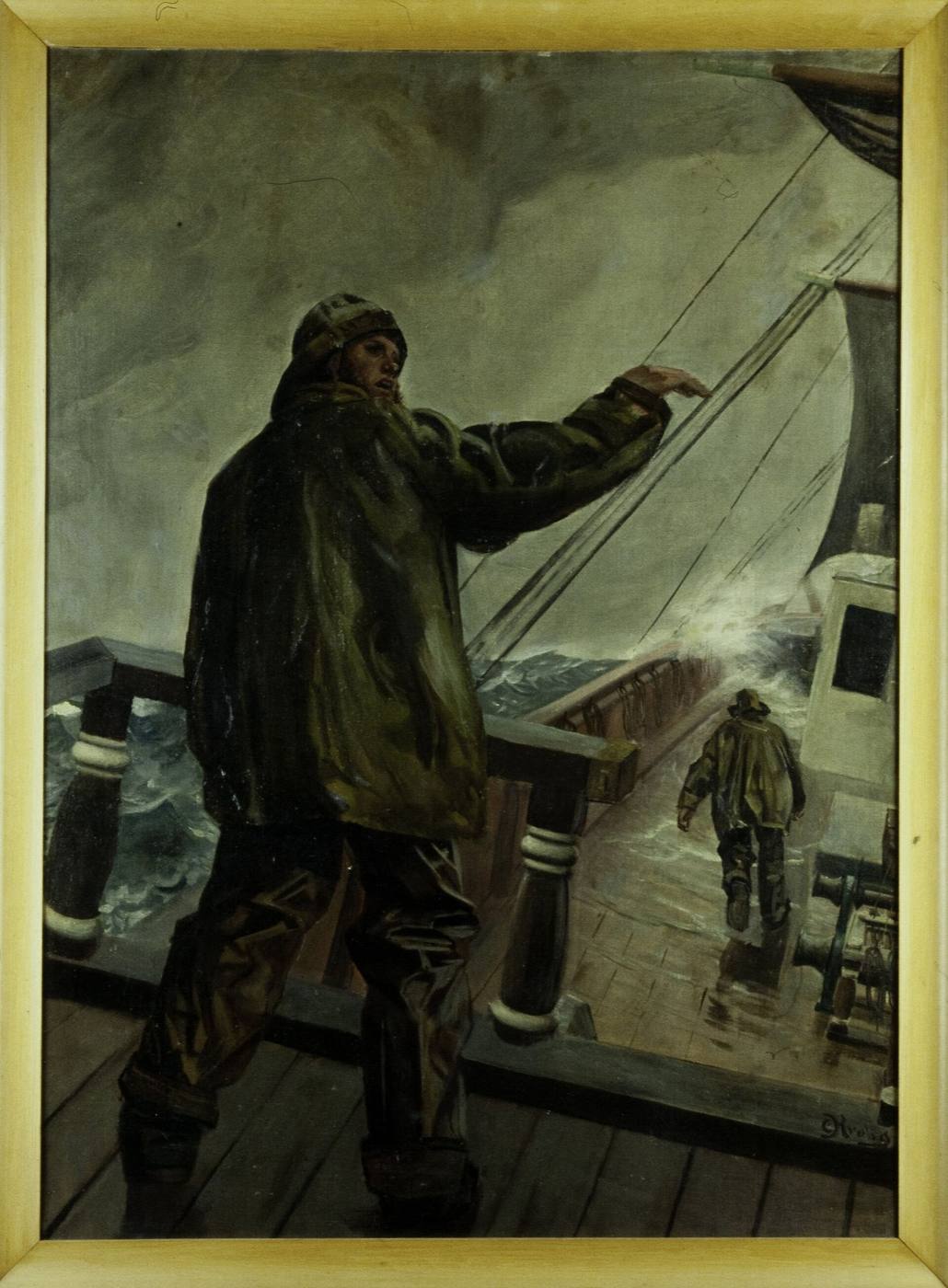
The MASS Code is written about ships and systems — but its deepest consequences land on people. The seafarer whose job the autonomy performs, the master whose authority the remote centre shares, the watchkeeper who becomes a supervisor of machines: the regulation is a workforce instrument whether it intends to be or not.
This article is about what the Code means for the human occupation of seafaring — the roles it redefines, the training it implies, and the question the industry hasn't fully answered: what is a seafarer on a ship that sails itself?
Key findings
- The Code reframes the seafarer's role from operator to supervisor — the human manages the autonomy rather than performs the task. Established
- The master's authority is redistributed — part aboard, part at the remote operations centre, part in the assurance case. Established
- The watchkeeping role changes first — lookout and engine-watch duties are the earliest autonomy targets. Established
- The Code implies a training requirement — seafarers supervising autonomous systems need competencies the current STCW doesn't cover. Maritime-GPT analysis
- The unresolved question is presence — whether the Code ultimately permits unmanned vessels, and under what conditions. Established
From operator to supervisor
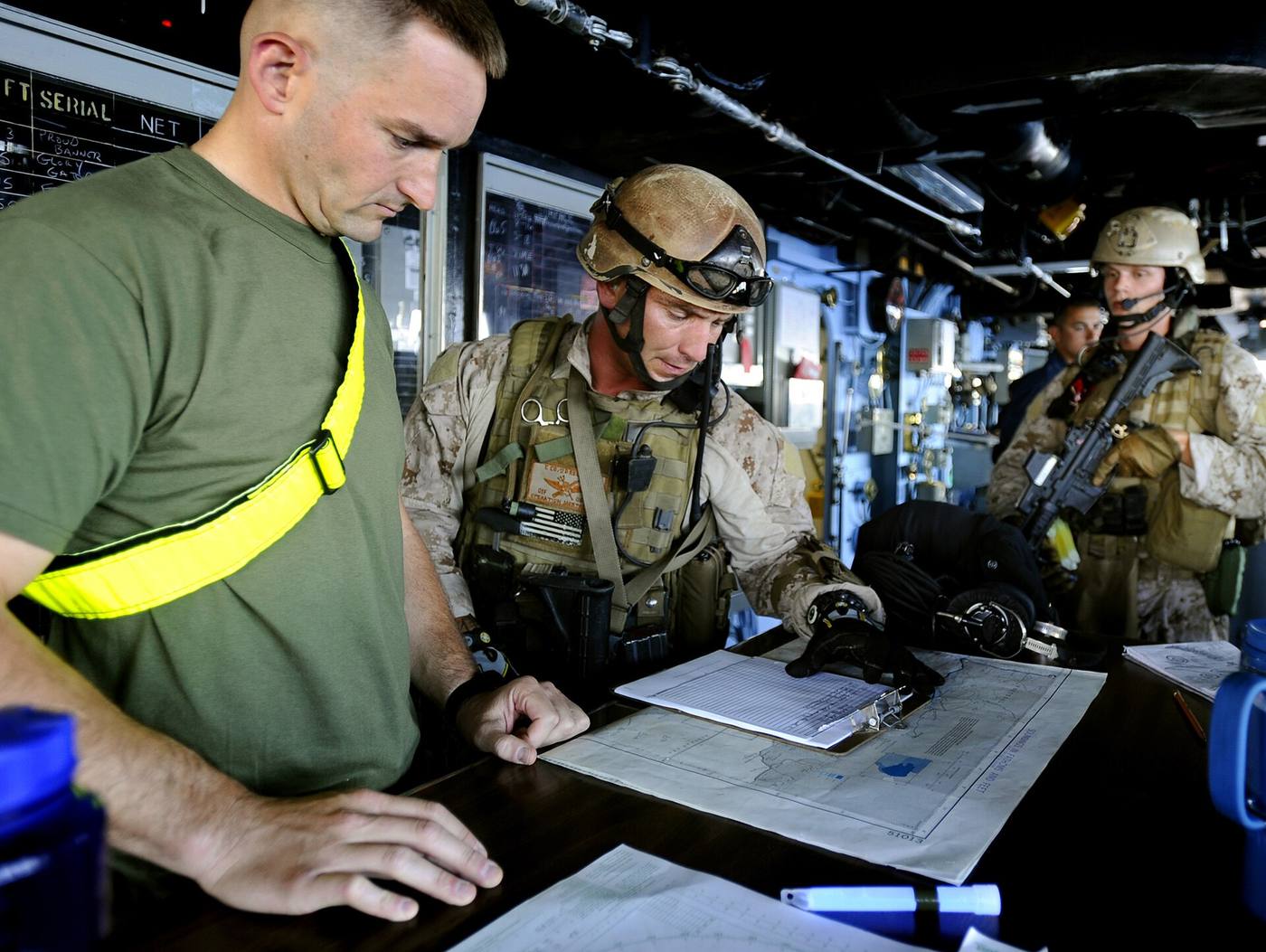
The Code's human-facing change is the shift from doing to watching: where the autonomy performs the navigation, the human's role becomes supervision — monitoring the system's operation, recognizing its envelope violations, and intervening when it can't cope. That's a different skill than navigation — closer to a systems-operator's vigilance than a mariner's seamanship — and the Code's requirements implicitly define it. Established
Where the master's authority goes
The master's authority — the human who can override everything — is the doctrine the Code must preserve or replace. In a remote-operated vessel the question becomes: does the authority sit aboard with a reduced crew, ashore at the ROC, or distributed between them? The Code's answer is that a responsible person must exist — but who that person is, where they sit, and what they can countermand is the legal architecture the Code is still writing. Established
The training implication
A seafarer supervising autonomy needs competencies the current STCW doesn't teach — system-monitoring, automation-failure recognition, the trust-calibration we've covered, and the ability to take manual control from a state the automation has reached. The Code implies a training regime that doesn't yet exist: the seafarer of the autonomy era isn't less skilled — they're differently skilled, and the certification hasn't caught up. Maritime-GPT analysis
The presence question
The Code's biggest human consequence is the one it hasn't fully answered: whether vessels can be unmanned, and under what conditions. Degree of autonomy exists on a spectrum — reduced crew, periodically unmanned, fully unmanned — and each step changes the occupation. The seafarer's job doesn't disappear under autonomy; it concentrates — fewer people, higher stakes per person, and a different relationship to the vessel than the one the industry was built on. Established
What we know
- The seafarer's role shifts from operator to supervisor of autonomous systems.
- Master's authority is redistributed between ship, ROC, and company.
- The Code implies training competencies current STCW doesn't cover.
What we don't
- Whether the mandatory code permits fully unmanned vessels.
- The certification pathway for autonomy-supervision competencies.
- How manning requirements adapt as autonomy degrees increase.
Being tested
- Autonomy-supervision training curricula.
- ROC operator certification frameworks.
- Manning models for reduced-crew autonomous operations.
Maritime-GPT analysis
The MASS Code's deepest consequence isn't technical — it's occupational. The seafarer isn't eliminated by autonomy; they're transformed — from the person who navigates to the person who supervises the thing that navigates. The Code's real workforce question isn't whether seafarers remain; it's what a seafarer is when the ship does the seafaring — and the training, authority, and manning frameworks that answer will define the occupation's next generation. Maritime-GPT analysis
This is a research feature, not operational guidance. Simulation results are reported as simulation; demonstrations are not deployments; company claims are attributed as such. Verify safety-critical decisions against official nautical publications and flag-state requirements.
Sources & evidence
The code whose seafarer implications this article analyses.
The workforce analysis this regulatory piece sits beside.