Every layer of the autonomy stack has a working group except the people one. The MASS Code addresses the ship, the systems, the remote operator — but the curriculum that produces a seafarer competent to supervise an autonomous ship doesn't exist. STCW certifies the crew for the vessel that was designed; nobody yet certifies the crew for the vessel that thinks.
This is the quiet bottleneck on the whole programme — the human readiness problem that arrives after the technical one is solved.
Key findings
- STCW defines the competencies for conventional seafaring; no equivalent framework yet defines the remote-operator or AI-supervision competencies. Established
- The training gap is twofold: the skills to supervise AI (when to trust, when to override) and the skills to remain competent when the AI does the work (deskilling). Established
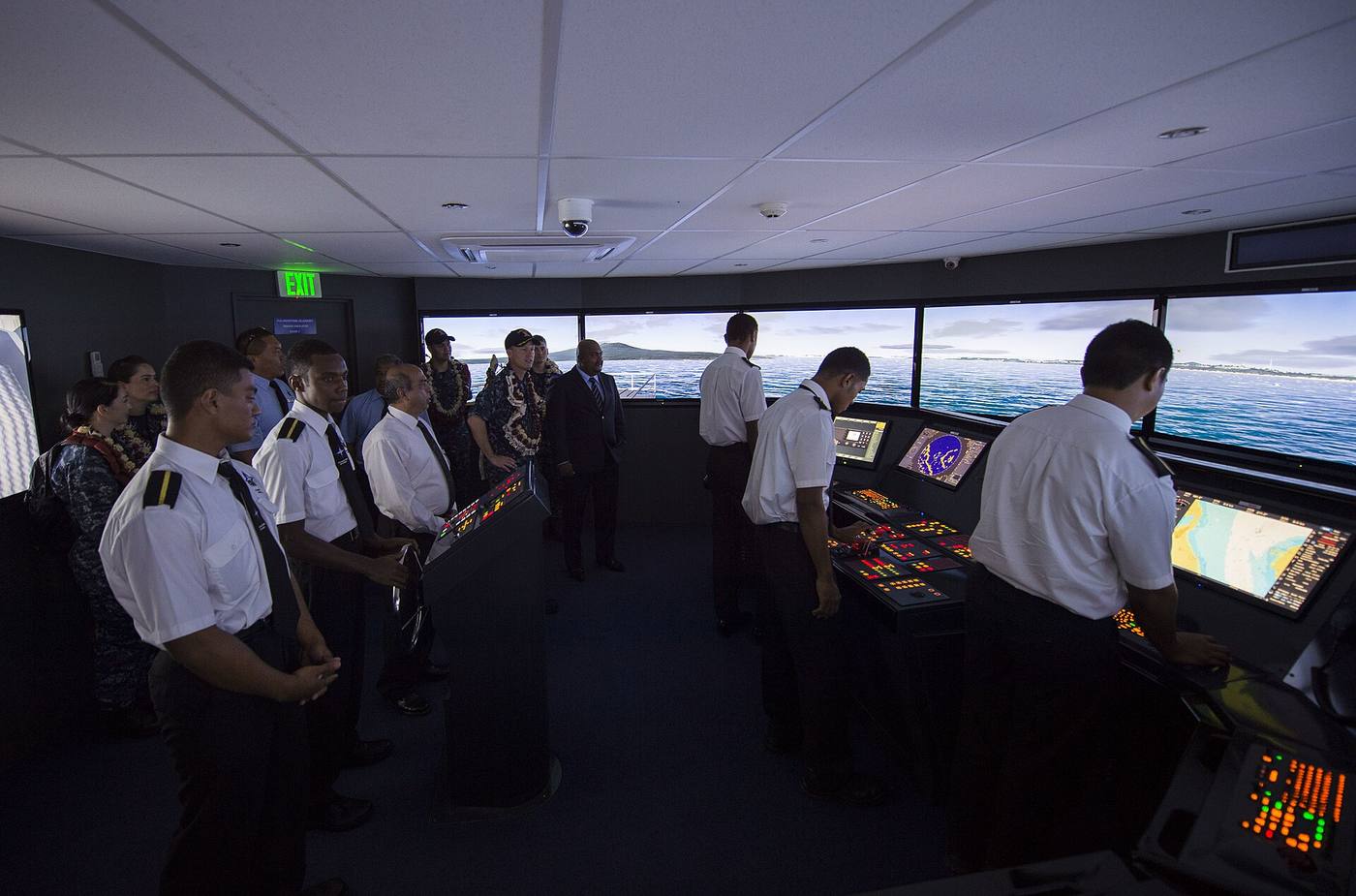
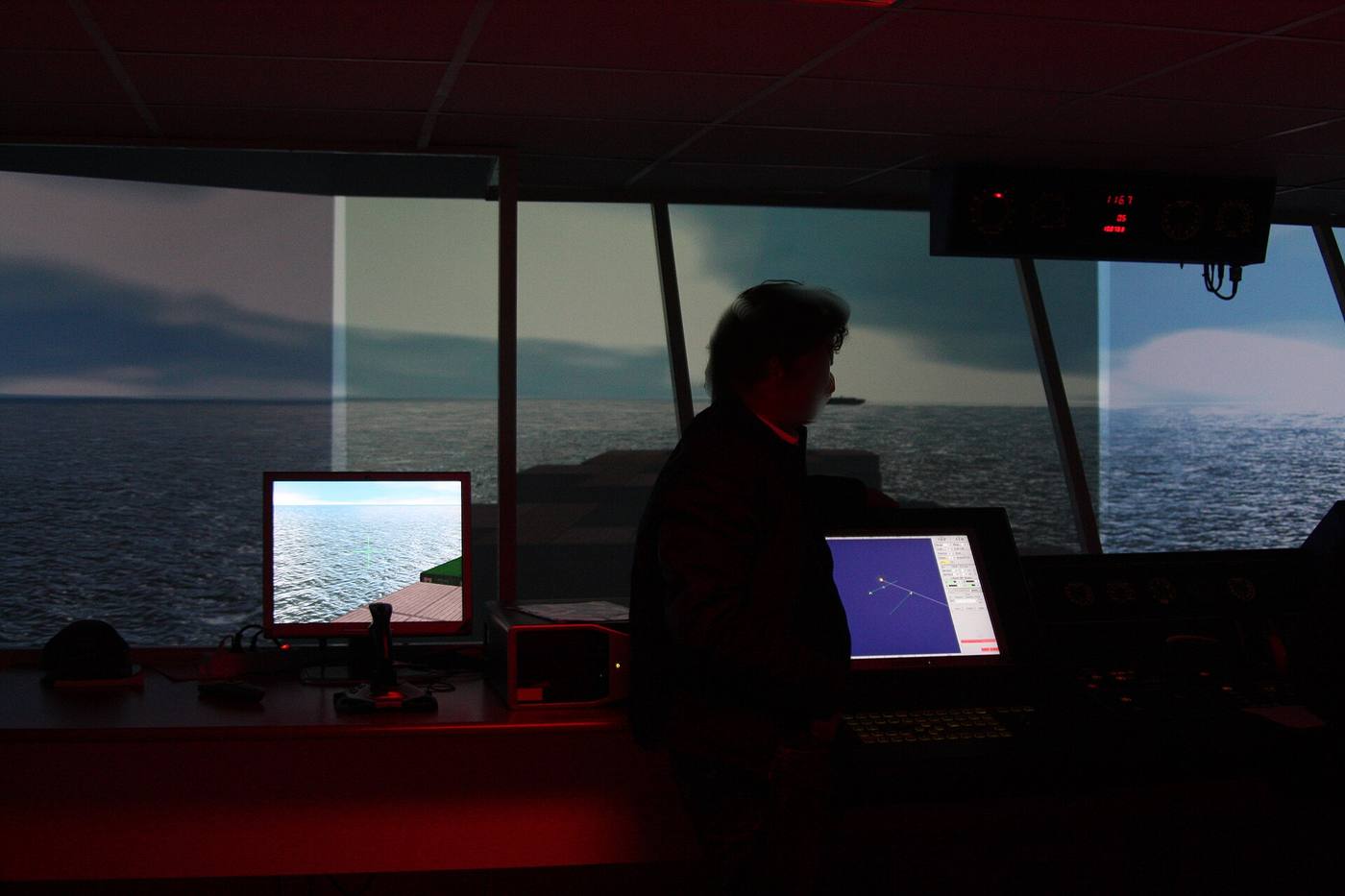
- Simulator training is the natural tool — the scenarios the AI will face are too rare to learn at sea. Established
- The remote-operator role under MASS needs a certification track that doesn't exist — ashore seafaring is a new profession without a syllabus. Established
- The industry's real shortage will be in the senior-judgement roles automation was supposed to train — the pipeline problem, not a headcount one. Maritime-GPT analysis
The competency the curriculum misses
A competent AI-ship officer needs something no current syllabus teaches: the calibrated trust — when the system's recommendation is right, when it's confidently wrong, when to override. That's a judgement about the AI's reliability, which is itself a skill that must be trained. Today's certification tests the officer's competence; tomorrow's must test their competence <em>at supervising the machine</em>. Maritime-GPT analysis
The two training problems
- <strong>The supervision skill.</strong> Reading the AI's confidence, catching its failure modes, intervening correctly — the new competency no STCW module covers. Maritime-GPT analysis
- <strong>The deskilling problem.</strong> The officer who relies on the system loses the manual skill the system's failure will demand — the training must preserve the competencies automation erodes. Established
- <strong>The ROC operator.</strong> Remote supervision is a different profession — shore-side, multi-vessel, no physical cues — its certification track is unwritten. Established
- <strong>The pipeline.</strong> The junior tasks that automated were the senior-role training ground — the industry must replace the apprenticeship automation removed. Maritime-GPT analysis
What the fix looks like
The simulator is the natural tool — the failure modes are too rare to train at sea, so the AI-supervision scenarios live in the sim. The syllabus that needs writing covers system understanding (what the model is, what it isn't), failure recognition (when it's wrong), calibrated override (when to take the con), and the preserved manual skills (the seamanship the system can't provide). Until that syllabus exists and is certified, the MASS Code's human-in-command requirement is a promise without a pipeline. Established
What we know
- No certified AI-supervision curriculum exists under STCW.
- Deskilling and supervision-competence are the two training problems.
- Simulator training is the tool the pipeline will be built on.
What we don't
- What the certification assessment for AI-supervision competence should measure.
- Whether deskilling can be countered by simulation alone.
- The remote-operator's career path and compensation model.
Being tested
- AI-supervision simulator scenarios.
- Pilot certification frameworks for ROC operators.
- Competency standards for human-AI teaming aboard.
Maritime-GPT analysis
The training gap is the autonomy programme's least-solvable problem because it's a people problem, not a technical one. The ships can be certified before the crews are — and a certified ship with an uncertified human is the failure the code is designed to prevent. The syllabus hasn't been written; until it is, the human-in-command requirement is a constraint the technology can't satisfy. Maritime-GPT analysis
This is a research feature, not operational guidance. Simulation results are reported as simulation; demonstrations are not deployments; company claims are attributed as such. Verify safety-critical decisions against official nautical publications and flag-state requirements.
Sources & evidence
The certification framework that doesn't yet cover AI-supervision competence.
The code that requires the competencies the curriculum must teach.