
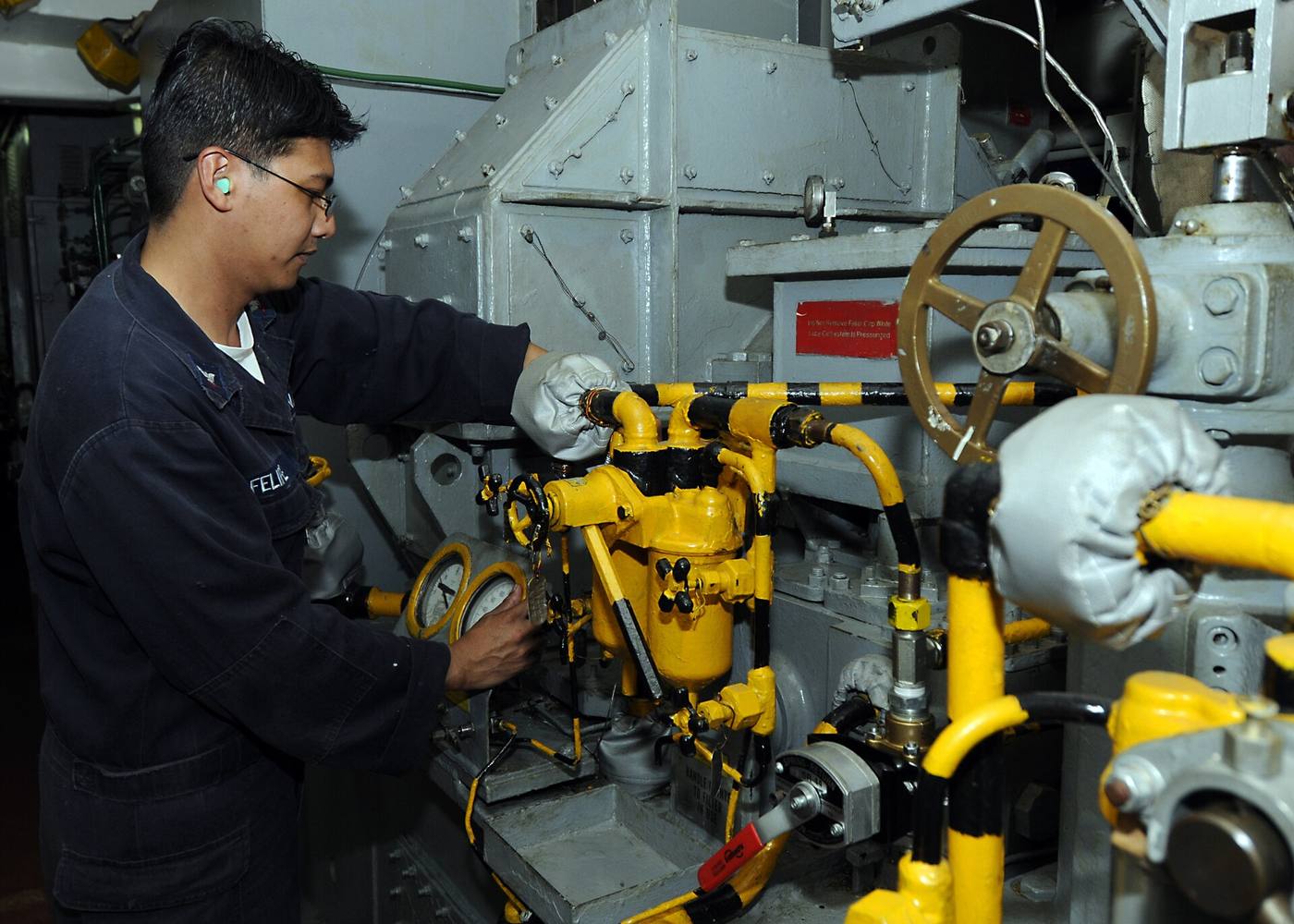
Every ship is an island of electrical power — the generators carry propulsion motors, navigation systems, pumps, lighting, and hotel loads, and a generator failure is a blackout, not an inconvenience. In restricted waters or heavy weather, losing the electrical plant is a casualty, not a maintenance event.
Predicting generator failure — reading the degradation signatures in temperature, vibration, electrical load, and lubrication before the machine trips — is the machinery AI's highest-stakes problem, because the consequence of being wrong is a ship without power.
Key findings
- Generator failure is a blackout event — the consequence scale is higher than most machinery casualties. Established
- The degradation signatures are readable — temperature, vibration, lube-oil condition, load behavior. Established
- The prediction window matters more than the alarm — 'the generator will need attention in 40 hours' beats 'the generator just tripped'. Research demonstration
- Electrical-load anomalies are a distinct signal — a generator struggling under normal load is telling you something before the temperature does. Research demonstration
- The redundancy helps the predictor — N+1 generator architecture means a planned swap is possible if the failure is predicted early enough. Established
Why the stakes are higher
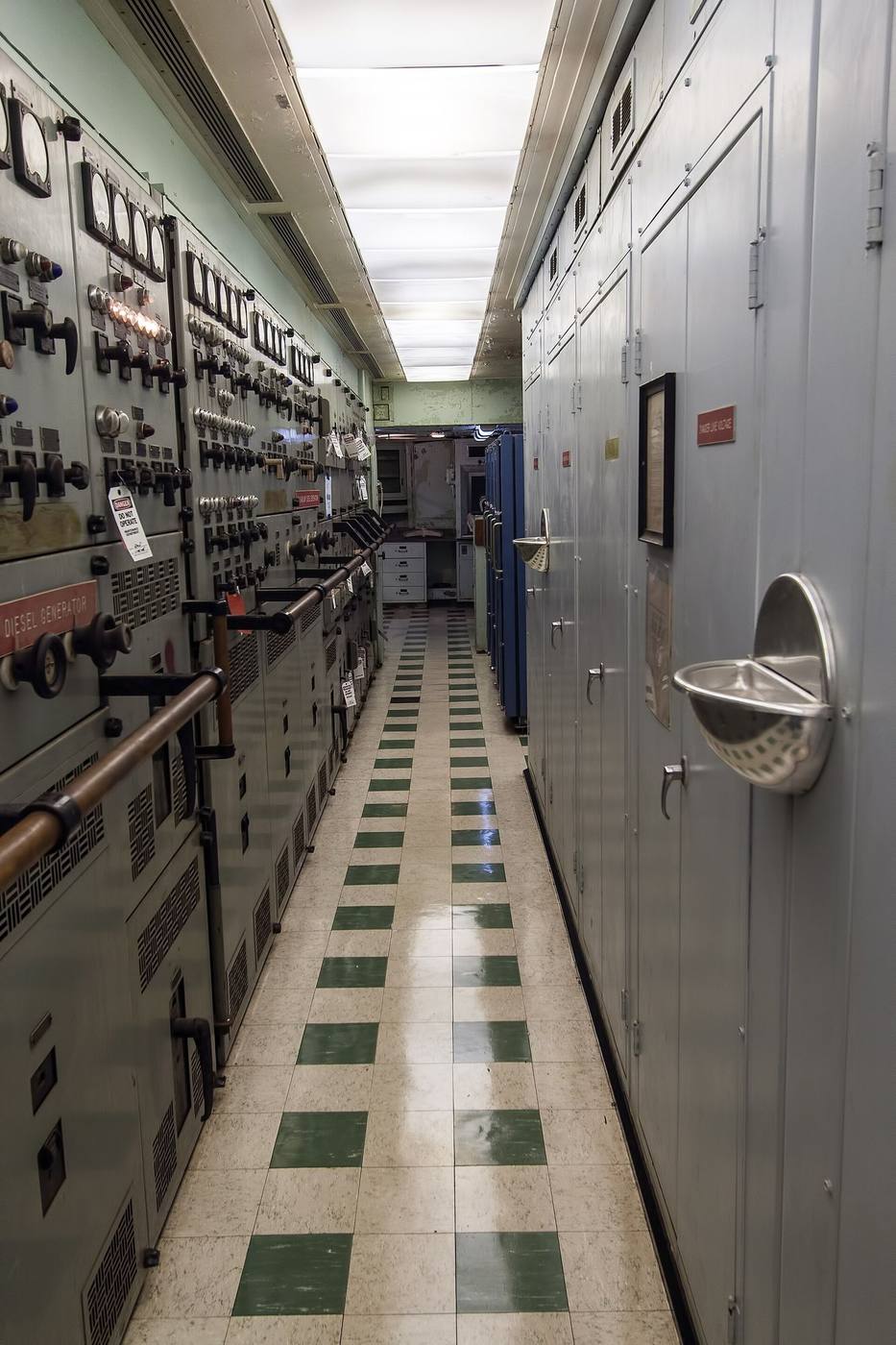
A pump failure degrades a function; a generator failure removes the function's power source — and every other electrical load aboard. The blackout risk is what makes generator monitoring the priority: in confined water, heavy weather, or DP operations, losing electrical power is a casualty cascade, not a maintenance line item. The prediction that gives 40 hours of warning is the difference between a planned load-transfer and an emergency. Established
The signatures the AI reads
- <strong>Temperature trends.</strong> Winding and bearing temperatures drifting from baseline — the earliest wear signal. Established
- <strong>Vibration.</strong> Bearing wear, misalignment, and imbalance all surface in the vibration spectrum. Established
- <strong>Lube-oil condition.</strong> Particle counts, viscosity, and contamination — the tribology signal. Established
- <strong>Electrical load behavior.</strong> A generator that can't hold voltage or frequency under load is degrading electrically. Research demonstration
The redundancy enables the prediction
Ships carry N+1 generators — you can take one offline if the other can carry the load. That's what makes generator prediction actionable: the model says 'this machine is degrading toward a problem', the engineer brings up the spare, transfers the load, and takes the failing unit down for inspection — planned, not tripped. The prediction doesn't prevent the failure; it converts the failure into a scheduled event. Established
The blackout scenario is the test
The worst case isn't 'the generator fails in port' — it's 'the generator fails while maneuvering in confined water', and the loss of steering and propulsion converts a machinery problem into a navigational casualty. The prediction's value is measured in that scenario: the warning that lets the crew shed non-essential load, start the spare, and keep the maneuverable plant alive is the difference between a near-miss and a grounding. Established
What we know
- Generator failure is a blackout event — higher stakes than most machinery casualties.
- Temperature, vibration, lube-oil, and load signatures are readable predictors.
- N+1 redundancy makes the prediction actionable as a planned swap.
What we don't
- Validated prediction accuracy across generator types and load profiles.
- How prediction handles the compounding of parallel-running machines.
- Whether prediction reduces blackout events measurably at fleet scale.
Being tested
- Generator-condition monitoring on live auxiliary plants.
- Load-signature anomaly detection under varying electrical demand.
- Predicted-swap workflows integrated with PMS.
Maritime-GPT analysis
Generator prediction is the machinery AI's proof of concept for high-stakes prognosis — the machine whose failure is a ship-wide event, monitored by the signatures that precede the trip. The honest case is the redundancy: the prediction doesn't prevent the failure, it converts it into a planned load-transfer before the blackout. In the blackout scenario — confined water, heavy weather — the lead time isn't convenience; it's the margin between a controlled intervention and a casualty. Maritime-GPT analysis
This is a research feature, not operational guidance. Simulation results are reported as simulation; demonstrations are not deployments; company claims are attributed as such. Verify safety-critical decisions against official nautical publications and flag-state requirements.
Sources & evidence
The demonstrated machinery-prognosis evidence.
The prognostic framework this applies.