
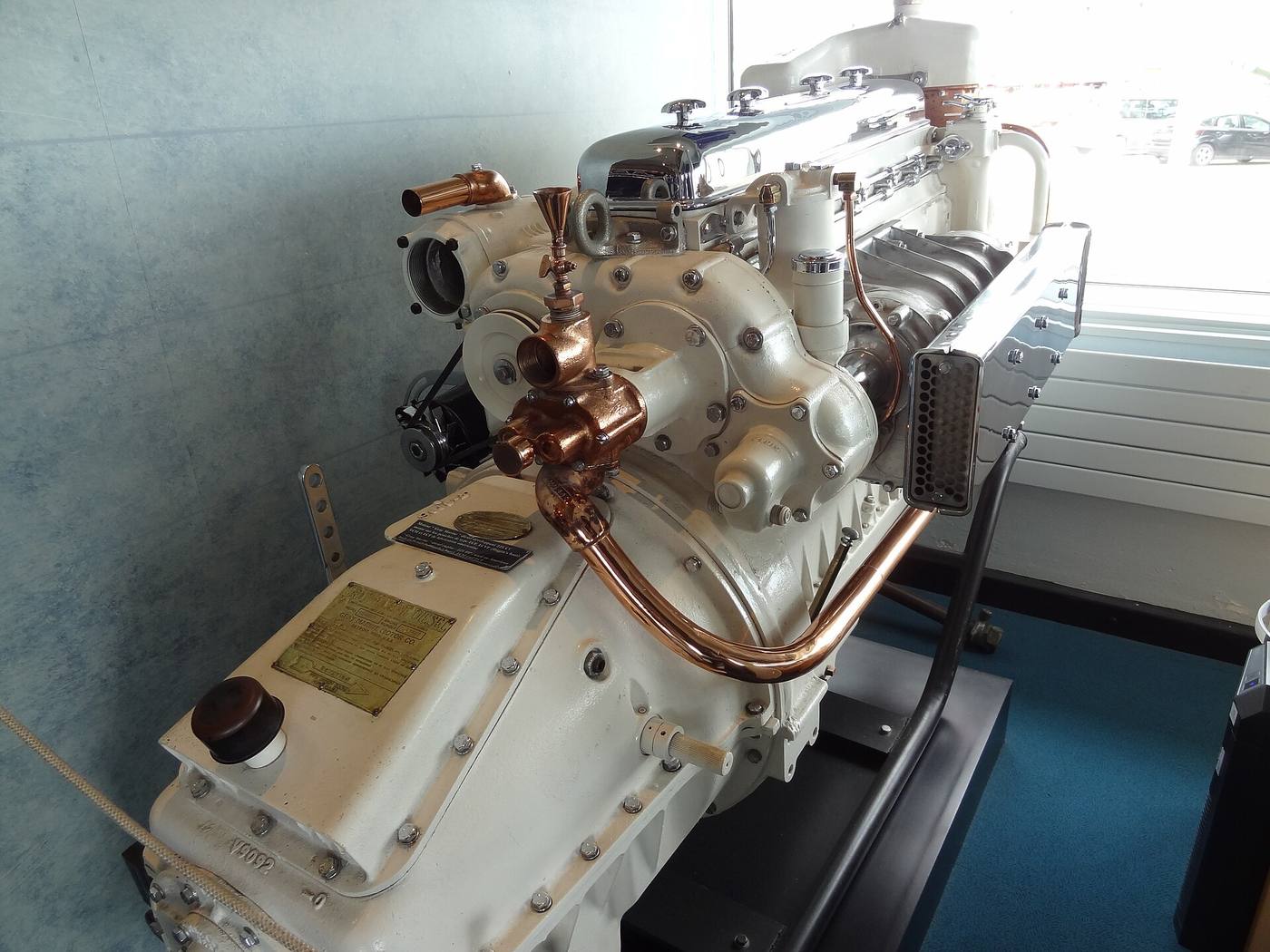
An engine doesn't fail — it degrades along a trajectory that ends in failure, and the difference between those framings is the difference between reactive and predictive maintenance. The alarm catches the threshold; the degradation model sees the curve approaching it.
AI's contribution is the prognosis — not 'this parameter is abnormal' but 'this parameter is degrading along a path that reaches the limit in X operating hours'. The trajectory prediction is what converts a detected anomaly into a scheduled repair.
Key findings
- Degradation is a trajectory — the model predicts the curve toward the failure threshold, not just the current state. Research demonstration
- The prognostic value is lead time — the demonstrated 97–637-minute warning windows translate into scheduled rather than emergency maintenance. Research demonstration
- The model must be calibrated to this engine — the degradation rate depends on the specific machine's history and condition. Established
- Confidence intervals matter — 'failure in 6±2 hours' is actionable; 'failure in 6 hours' alone hides the uncertainty. Maritime-GPT analysis
- The output informs the decision, doesn't make it — the chief engineer schedules the repair on the prediction, not the other way around. Established
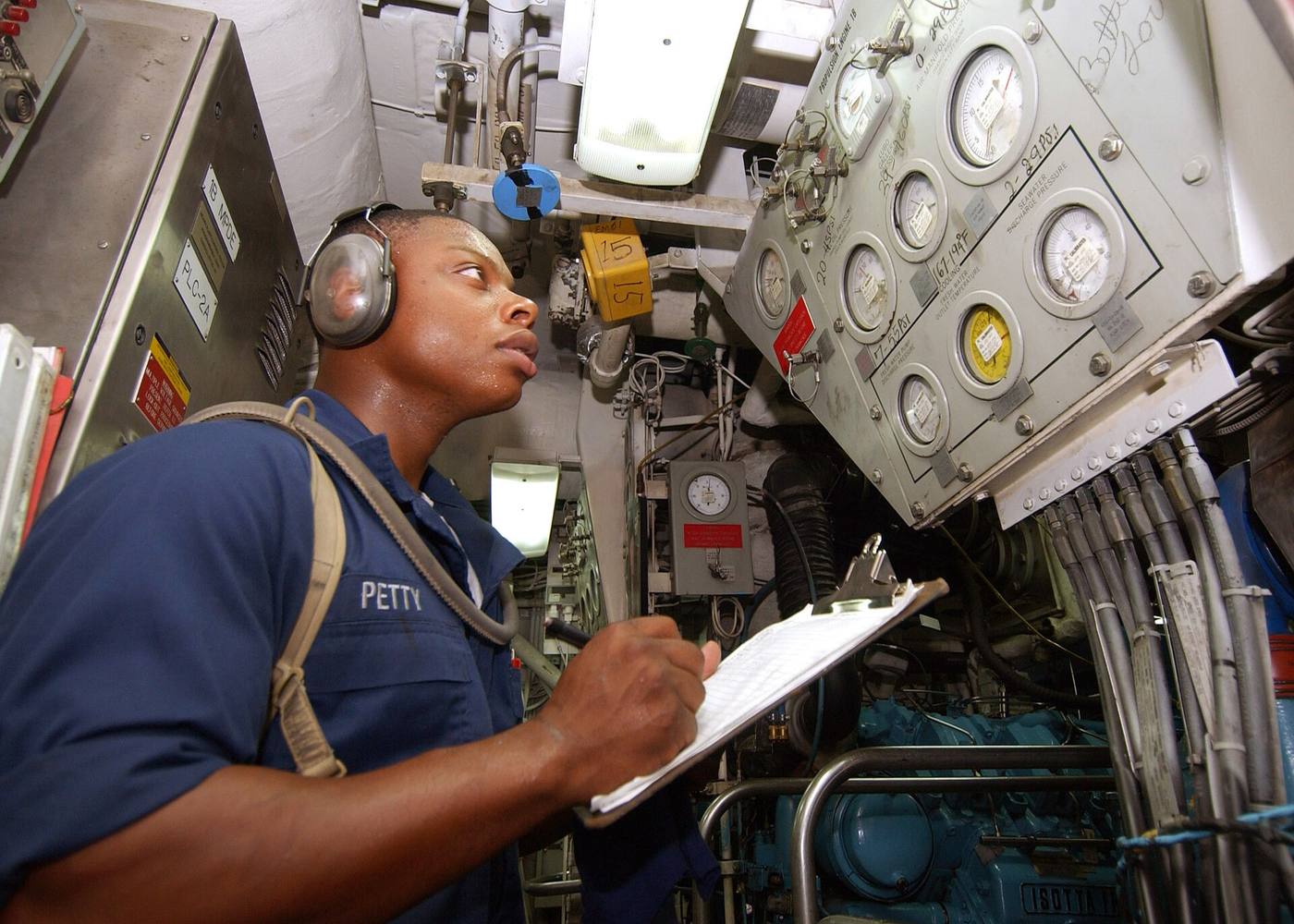
From anomaly to prognosis
Anomaly detection flags the unusual; degradation prediction projects the trend — the bearing temperature that's rising 0.5° per day will cross the alarm threshold in a calculable number of operating hours. The difference is the horizon: detection says 'something's wrong now'; prognosis says 'something will be wrong in six hours, so schedule the repair for the port call'. The lead time converts an emergency shutdown into a planned intervention — which is the economic case. Research demonstration
The curve is machine-specific
The degradation rate isn't generic — it depends on this engine's age, loading history, fuel quality, and maintenance history. A model trained on fleet averages produces a generic curve; a model calibrated to this engine's own history produces a machine-specific prognosis — the twin approach we covered. The calibration is the value: the prediction that reflects this engine's wear pattern is worth more than a population-average estimate. Established
The uncertainty is the deliverable
A point prediction — 'failure in 6 hours' — hides the model's confidence; an interval — 'failure in 6±2 hours' — is the actionable output, because it lets the chief engineer weigh 'do we push to the next port' against 'do we shut down now'. The prediction's uncertainty is part of its value: an honest degradation model reports not just the trajectory but the confidence band around it, so the decision-maker knows how much to trust the lead time. Maritime-GPT analysis
The decision stays human
The model predicts the trajectory; the engineer decides whether to act — because the decision carries consequences the model doesn't weigh (the port-call cost, the cargo schedule, the safety margin). The degradation prediction is the input to the maintenance decision, not the decision itself — the same advisory pattern as everywhere else in the stack, applied to the machinery. Established
What we know
- Degradation prediction is prognosis — the curve toward failure, not the current state.
- Published work demonstrates hours-scale lead times on real machinery data.
- The prediction's uncertainty band is part of its operational value.
What we don't
- Validated degradation-prognosis accuracy across diverse engine types.
- How degradation models handle maintenance resets and component swaps.
- Whether prognosis measurably reduces unplanned downtime at fleet scale.
Being tested
- Per-engine calibrated degradation models.
- Confidence-banded failure-time predictions.
- Integration with maintenance-planning systems.
Maritime-GPT analysis
Degradation prediction is the maintenance layer that turns a reactive alarm into a scheduled intervention — the difference between 'the engine failed' and 'we knew it would'. The honest model predicts the trajectory with its uncertainty and leaves the decision to the engineer — because the prediction is the input, not the authority. The prognosis that carries its confidence band is the one the maintenance plan can actually use. Maritime-GPT analysis
This is a research feature, not operational guidance. Simulation results are reported as simulation; demonstrations are not deployments; company claims are attributed as such. Verify safety-critical decisions against official nautical publications and flag-state requirements.
Sources & evidence
The demonstrated prognostic-lead evidence.
The detection layer the prognosis builds on.