
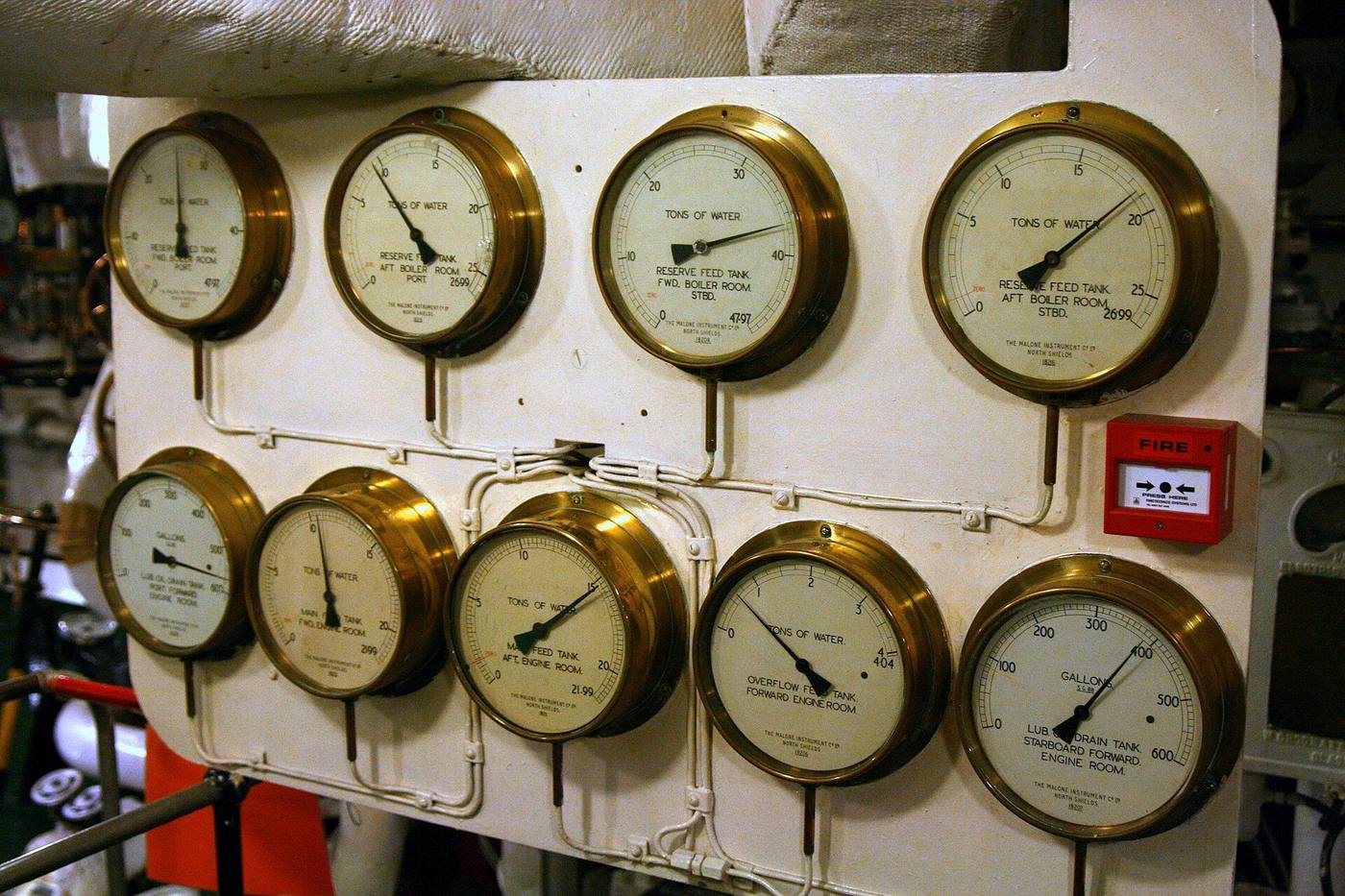
The engine-room watch is a human sitting among gauges, looking for the drift that hasn't yet triggered an alarm — the bearing temperature creeping, the pressure that's normal but trending wrong. The alarm system catches the threshold breach; the watchkeeper's job is to catch the drift before it reaches one.
That is exactly what anomaly detection is built for — and it's the strongest case for assisted watchkeeping because the signal is real, measurable, and the payoff is a genuine safety improvement rather than a convenience.
Key findings
- Anomaly detection on machinery data is the demonstrable application — the model learns 'normal' and flags the drift that precedes the alarm. Research demonstration
- The engine watch is the assistant's best case because the sensor data is dense and the failure modes are mechanical, not judgemental. Established
- The validated pattern is lead-time detection — flagging degradation 97–637 minutes before the alarm in published work. Research demonstration
- The alert still needs the engineer — the anomaly is a prompt for inspection, not a diagnosis. Maritime-GPT analysis
- The residual risk is alarm-fatigue aboard — a monitoring layer that over-alerts teaches the watch to ignore it. Maritime-GPT analysis
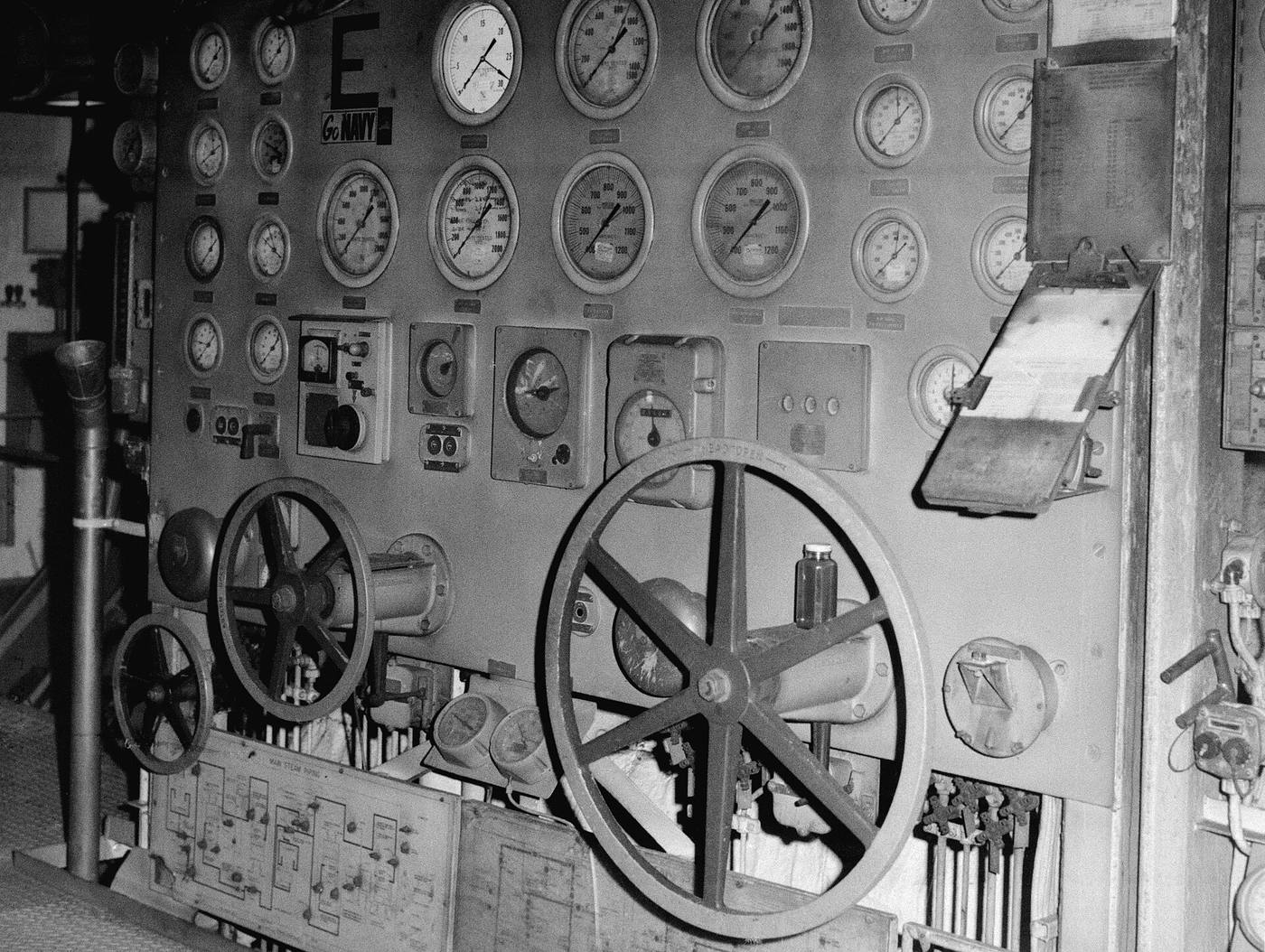
The drift the alarm misses
Engineering alarms are threshold devices — they fire when a limit is crossed, not when a trend is building. The watchkeeper's value is the trend detection: the temperature that hasn't breached but has risen 2°C in an hour, the vibration signature that's changed character. A monitoring model trained on the ship's normal operating signature sees exactly that drift — and flags it while it's still small enough to be cheap. Research demonstration
Why this one works
The engine watch is the AI-assist success case because the problem is well-formed: dense telemetry, bounded physics, measurable degradation, and a clear economic payoff in avoided downtime. The agentic-diagnostics work we covered (the Transformer+LLM monitoring architecture with 97–637 minute prognostic lead times) is the proof of concept — the pattern is demonstrated, aboard, on real machinery data. Research demonstration
The alert must stay advisory
The anomaly flag is a prompt for the engineer's judgement — 'this parameter is drifting' — not a diagnosis or an instruction. The assisted watch fails in the same way the bridge assist does: if the engineer learns to wait for the flag, the anomaly the flag missed becomes the casualty. The system's honesty is in what it admits — it sees the trend, the engineer decides what it means. Maritime-GPT analysis
What we know
- Machinery anomaly detection is the most deployable assisted-watchkeeping case.
- Published work demonstrates real prognostic lead on real vessel data.
- The alert's value is the early warning; the diagnosis stays with the engineer.
What we don't
- Fleet-validated false-alarm rates for anomaly monitoring at scale.
- How the watchkeeper's role changes when the monitor watches the drift.
- Whether anomaly detection extends to the electrical and auxiliary plant.
Being tested
- Shipboard anomaly-detection deployments on live machinery.
- Integration of anomaly alerts with the engineer copilot.
- Cross-fleet anomaly-pattern learning.
Maritime-GPT analysis
The engine watch is where AI-assisted watchkeeping earns its case — because the signal is physical, the data is dense, and the payoff is measurable. It's also where the alert-vs-judgement line is clearest: the model reads the drift, the engineer reads the engine. The system that flags early and stays quiet about the verdict is the one that helps; the one that diagnoses is the one that gets it wrong confidently. Maritime-GPT analysis
This is a research feature, not operational guidance. Simulation results are reported as simulation; demonstrations are not deployments; company claims are attributed as such. Verify safety-critical decisions against official nautical publications and flag-state requirements.
Sources & evidence
The demonstrated anomaly-detection architecture and its lead-time evidence.
The detection layer the watch relies on.