
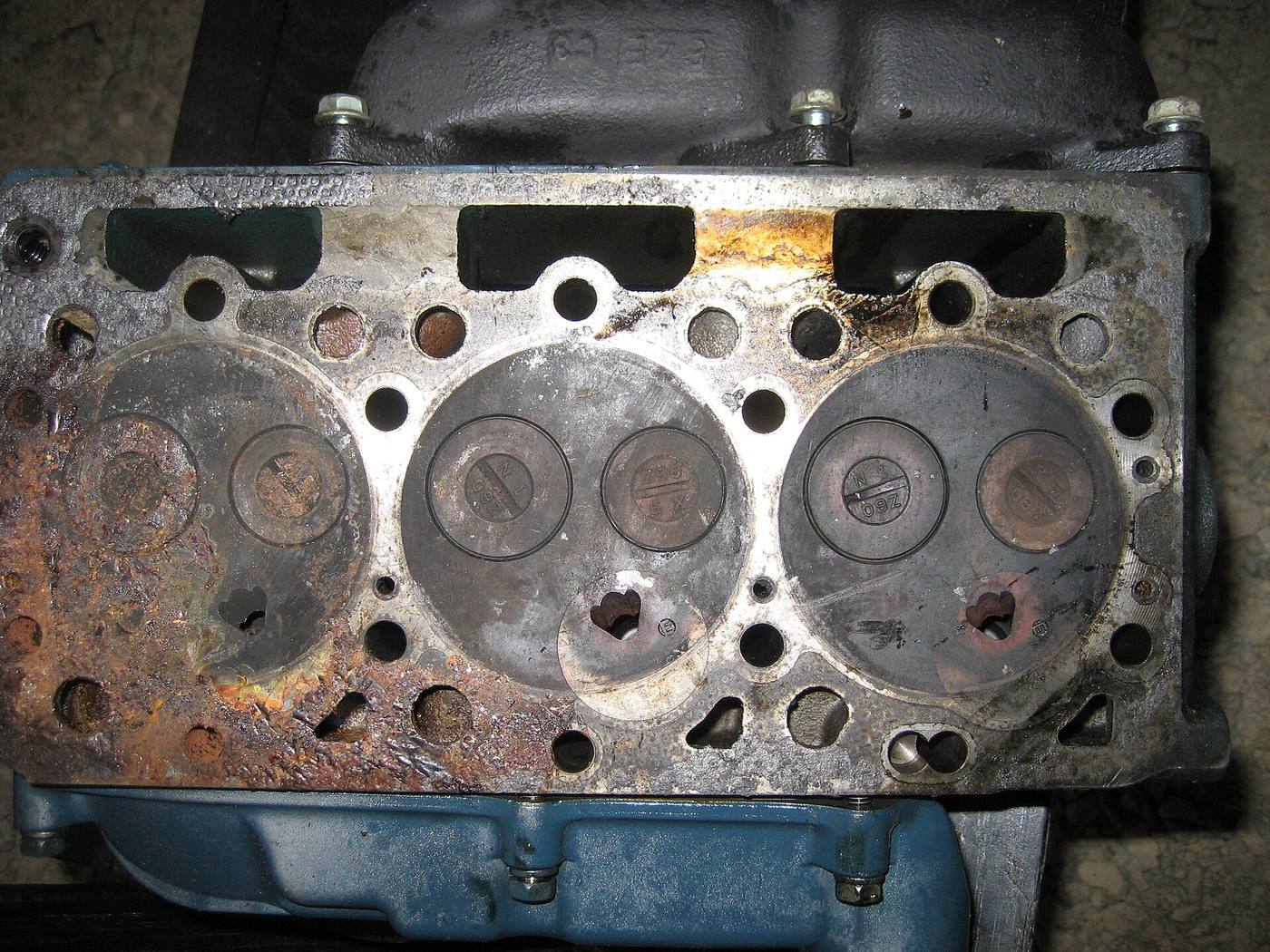
The fuel injector is where the engine's economics and its health meet — a fouled or worn injector sprays badly, burns incompletely, and leaves a cylinder running hot, smoky, and inefficient while every aggregate gauge on the panel still reads normal. The engine doesn't tell you it's wasting fuel; it just quietly burns more and wears faster on one cylinder.
AI fuel-injection monitoring is the per-cylinder read — exhaust temperatures, firing pressures, vibration, and combustion signature resolved to the individual cylinder — that surfaces the single sick injector hiding inside a healthy-looking engine.
Key findings
- Injector faults are per-cylinder — the aggregate gauges (total fuel flow, average exhaust temp) mask the single bad cylinder. Established
- The signatures are readable — per-cylinder exhaust temperature spread, firing pressure, vibration, and combustion noise. Established
- The cost is triple — wasted fuel, higher emissions, and accelerated wear on the affected cylinder. Established
- The pattern matters more than the level — a cylinder's exhaust temp trending away from its sisters is the fault signature. Research demonstration
- Monitoring enables condition-based injector overhaul — replace the injector when its signature degrades, not on the calendar. Research demonstration
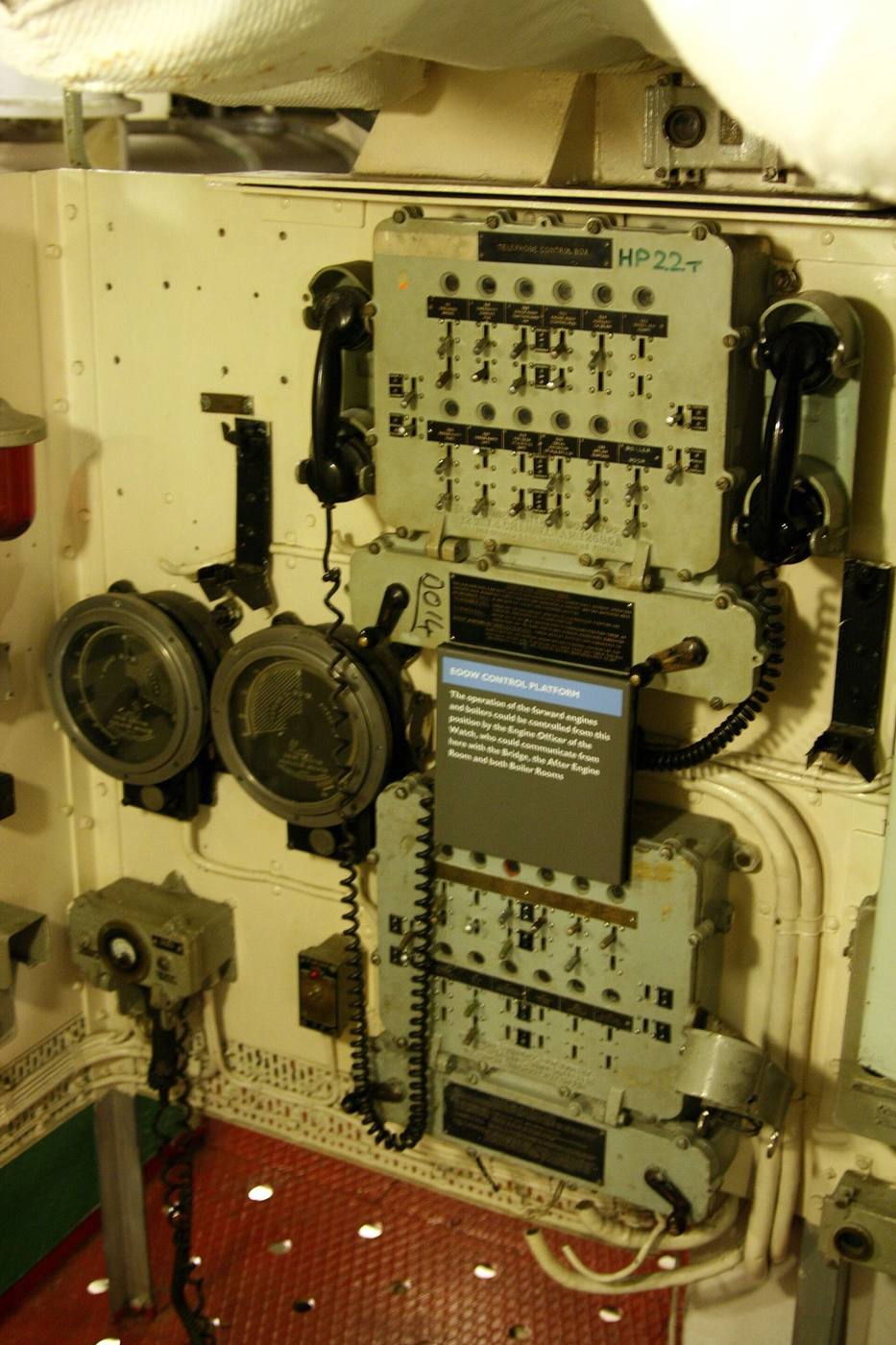
The hidden cylinder
A marine diesel's aggregate instrumentation reads the engine as a whole — total fuel flow, average exhaust temperature, overall power. A fouled injector on cylinder 4 doesn't move the averages enough to alarm; it just makes cylinder 4 run hot and smoky while cylinders 1–3 and 5–6 pick up the slack. The engine keeps making power, the gauges stay green, and one cylinder quietly degrades. The per-cylinder read — each exhaust temp, each firing pressure — is what separates 'the engine is fine' from 'cylinder 4 has a problem'. Established
The signatures
- <strong>Exhaust temperature spread.</strong> Each cylinder's exhaust temp vs. its sisters — the drifting cylinder is the fouled injector. Established
- <strong>Firing pressure.</strong> Per-cylinder peak pressure reveals weak or uneven combustion. Established
- <strong>Vibration/combustion noise.</strong> The combustion signature carries the injection timing and quality. Established
- <strong>Fuel consumption.</strong> Specific fuel consumption rising without a load change is the efficiency fingerprint. Established
The triple cost
A bad injector costs three ways at once: wasted fuel from incomplete combustion, higher emissions (unburned hydrocarbons, smoke) that in an ECA is a compliance issue, and accelerated wear — the overheated cylinder liner, the coked piston crown, the exhaust valve running hot. The injector that gets cleaned on a scheduled overhaul might have been fouling for months first, running up all three costs the whole time. The per-cylinder monitor catches it at the signature, not the teardown. Established
Condition-based overhaul
Injectors get overhauled on running hours — the calendar approach that replaces them whether they need it or not. Condition-based monitoring replaces them when the signature says: the injector whose cylinder's exhaust temp has drifted 15° from baseline, whose firing pressure is low, gets pulled; the ones still spraying cleanly stay in service. It's the predictive-maintenance logic applied at the component level — and on a 6-cylinder engine with 12 injectors, the savings from replacing only the worn ones add up across a fleet. Research demonstration
What we know
- Injector faults are per-cylinder and hide inside healthy aggregate readings.
- Exhaust-temp spread, firing pressure, and combustion signatures are readable.
- The fault costs fuel, emissions, and accelerated wear simultaneously.
What we don't
- Per-cylinder instrumentation coverage on existing (retrofit) engines.
- Signature separation between injector wear, valve issues, and ring wear.
- Whether condition-based injector overhaul measurably cuts fuel/maintenance cost.
Being tested
- Per-cylinder exhaust-temp trending on live engines.
- Combustion-signature analysis for injection fault classification.
- Injector-condition-based maintenance scheduling.
Maritime-GPT analysis
Fuel-injection monitoring is the per-cylinder argument for AI instrumentation — the aggregate gauge's blind spot is exactly the fault that costs fuel, emissions, and wear at once. The honest value is resolution: reading each cylinder's signature instead of the engine's average. And in an ECA, the emissions angle isn't just efficiency — a smoking cylinder is a compliance exposure. The injector caught by its drift is the overhaul scheduled, not the cylinder damaged. Maritime-GPT analysis
This is a research feature, not operational guidance. Simulation results are reported as simulation; demonstrations are not deployments; company claims are attributed as such. Verify safety-critical decisions against official nautical publications and flag-state requirements.