
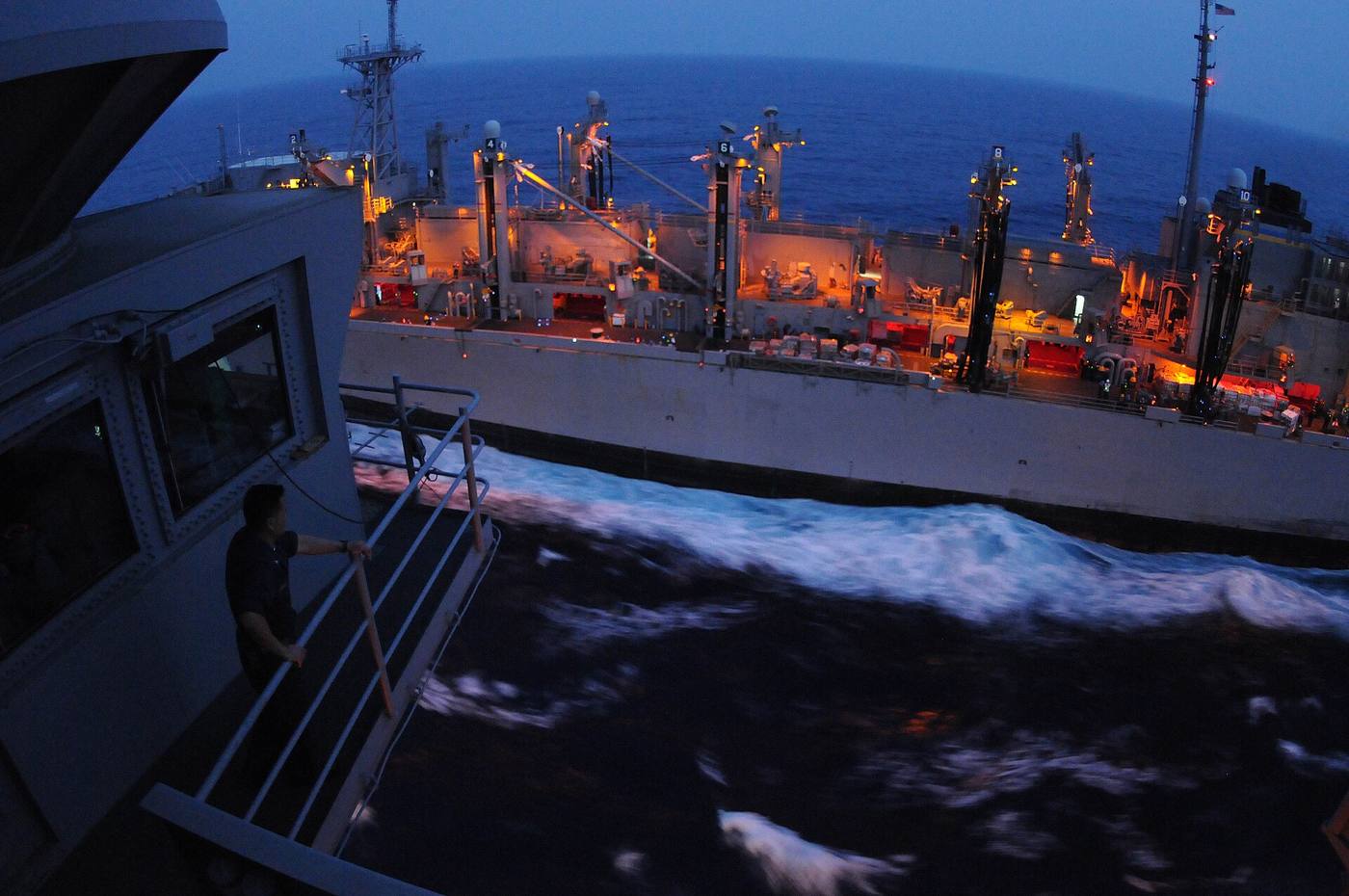
Fatigue is one of the most-cited causal factors in maritime casualties — the watchkeeper who drifts, the judgement that narrows, the microsleep at the worst moment. It's also one of the few human factors that is, in principle, mechanically detectable: blink rate, gaze direction, head posture, reaction latency are all readable by a camera already mounted on the bridge.
AI fatigue detection is therefore one of the more deployable maritime AI applications — and one of the most privacy-sensitive, because a camera that watches for fatigue is also a camera that watches the person.
Key findings
- Fatigue detection via computer vision is a demonstrated capability — blink dynamics, gaze, head pose are measurable signals of drowsiness. Research demonstration
- The same camera that detects fatigue also captures identity, behaviour and context — the privacy boundary is the design problem, not the detection problem. Established
- Maritime fatigue is a regulatory and casualty concern — detection is a safety instrument, not a surveillance one, and must be architected that way. Established
- False positives are corrosive — an alert that cries wolf teaches the watchkeeper to ignore it; the alert's precision is the product. Maritime-GPT analysis
- Onboard processing is the privacy-preserving architecture — the signal must be computed locally, only the alert exported. Proposed
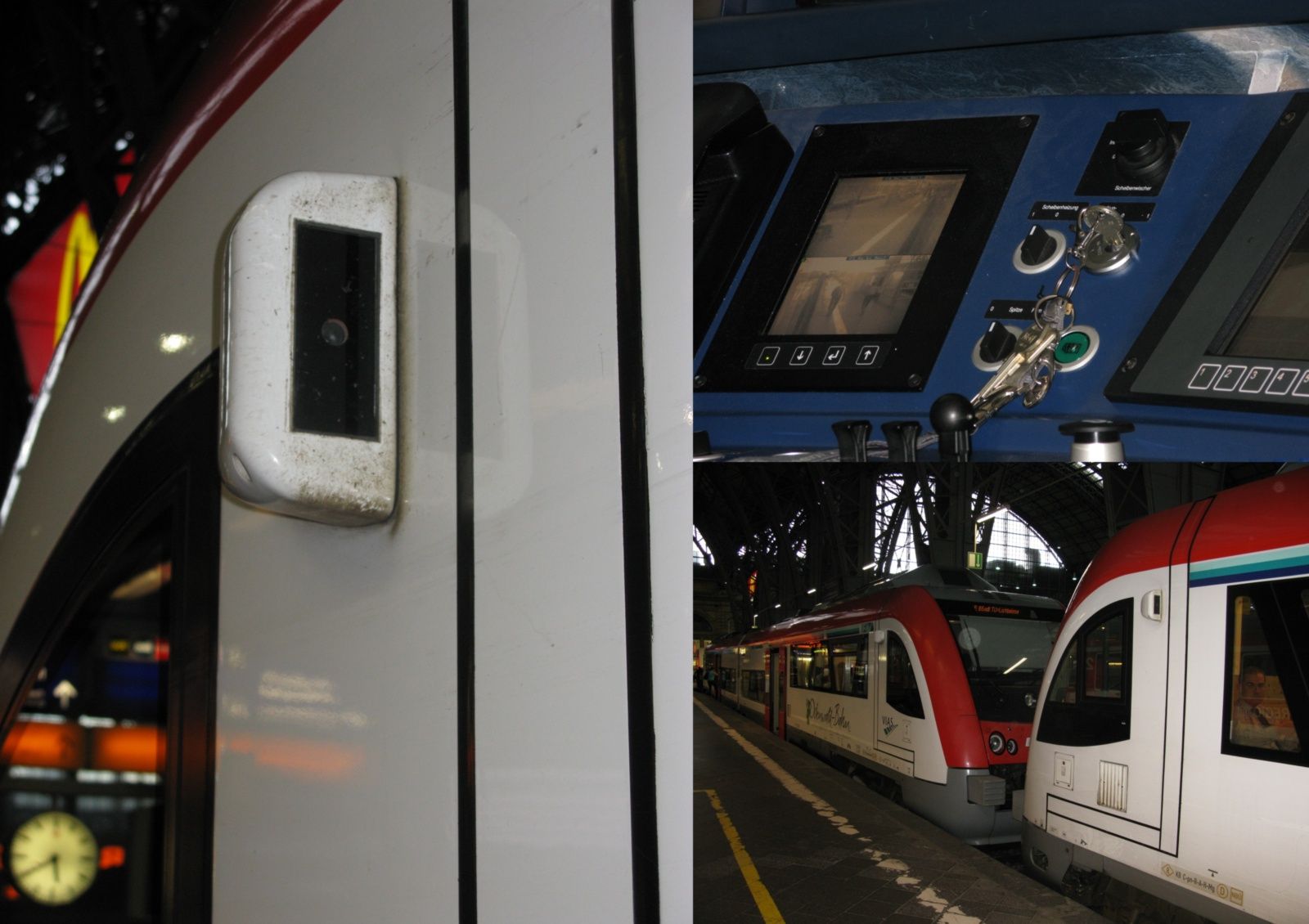
What the camera measures
- <strong>Blink dynamics.</strong> PERCLOS — the fraction of time the eyes are closed — is the most robust single signal of drowsiness. Research demonstration
- <strong>Gaze and head pose.</strong> Sustained off-axis gaze, head-drop — the visible posture of a watchkeeper fighting sleep. Research demonstration
- <strong>Reaction latency.</strong> Slower response to prompts or events — measurable if the system can time them. Research demonstration
- <strong>Activity pattern.</strong> Sedentary-invariant watchkeeping plus circadian low is the context the signal sits in. Maritime-GPT analysis
Why it's deployable — and why it's dangerous
The technology is proven enough that driver-monitoring systems are regulated equipment in cars — the maritime version is a camera, an inference model, and an alert. The deployment barrier isn't technical; it's that a camera pointed at the crew is a camera pointed at the crew — fatigue detection is indistinguishable from surveillance unless it's architecturally limited to the alert. The privacy-preserving design is the difference between a safety tool and a monitoring regime. Maritime-GPT analysis
The architecture that makes it acceptable
- <strong>On-device inference.</strong> The camera processes locally; only the alert — 'possible fatigue' — leaves the bridge. The video never records. Proposed
- <strong>Alert-only output.</strong> No face storage, no behavioural log, no identity record — the system's output is a flag, not a file. Proposed
- <strong>Transparent to the crew.</strong> The watchkeeper knows it's watching for fatigue, sees its false positives, can report them — a monitored worker is not a monitored subject if the purpose is stated. Established
- <strong>Firewalled from discipline.</strong> The alert triggers a watch-handover or a rest recommendation, not a performance record — fatigue is a safety state, not an infraction. Established
The human-factors check
A fatigue detector that produces false alarms trains the watchkeeper to ignore it — the alert's precision is the product, not its sensitivity. And a detector that produces a compliance record incentivises hiding fatigue rather than reporting it — the worst possible outcome. The design that works is the one that treats the alert as a prompt for the human's own judgement, not a verdict about their fitness. Maritime-GPT analysis
What we know
- Fatigue is a documented casualty factor and is detectable via vision signals.
- The detection technology is mature enough to be deployable.
- The privacy architecture — on-device, alert-only — is the design that makes it acceptable.
What we don't
- Field-validated maritime fatigue-detection false-alarm rates.
- How crews respond to fatigue alerts in practice — trust or resentment.
- Whether alert-only architectures are enough to satisfy privacy rules across jurisdictions.
Being tested
- Bridge-mounted fatigue monitoring in trial deployments.
- Alert-precision tuning to keep the signal trustworthy.
- Regulatory frameworks for crew-monitoring systems.
Maritime-GPT analysis
Fatigue detection is one of the few maritime-AI applications where the technology is ahead of the governance. The detection works; the question is whether it's a safety instrument or a surveillance one — and the answer is entirely in the architecture: on-device, alert-only, firewalled from discipline. Build it that way and it's the watchkeeper's ally; build it the other way and it's a surveillance camera with a safety brand. Maritime-GPT analysis
This is a research feature, not operational guidance. Simulation results are reported as simulation; demonstrations are not deployments; company claims are attributed as such. Verify safety-critical decisions against official nautical publications and flag-state requirements.
Sources & evidence
The regulatory recognition of fatigue as a safety issue.
The watchkeeping role the fatigue detector protects.