
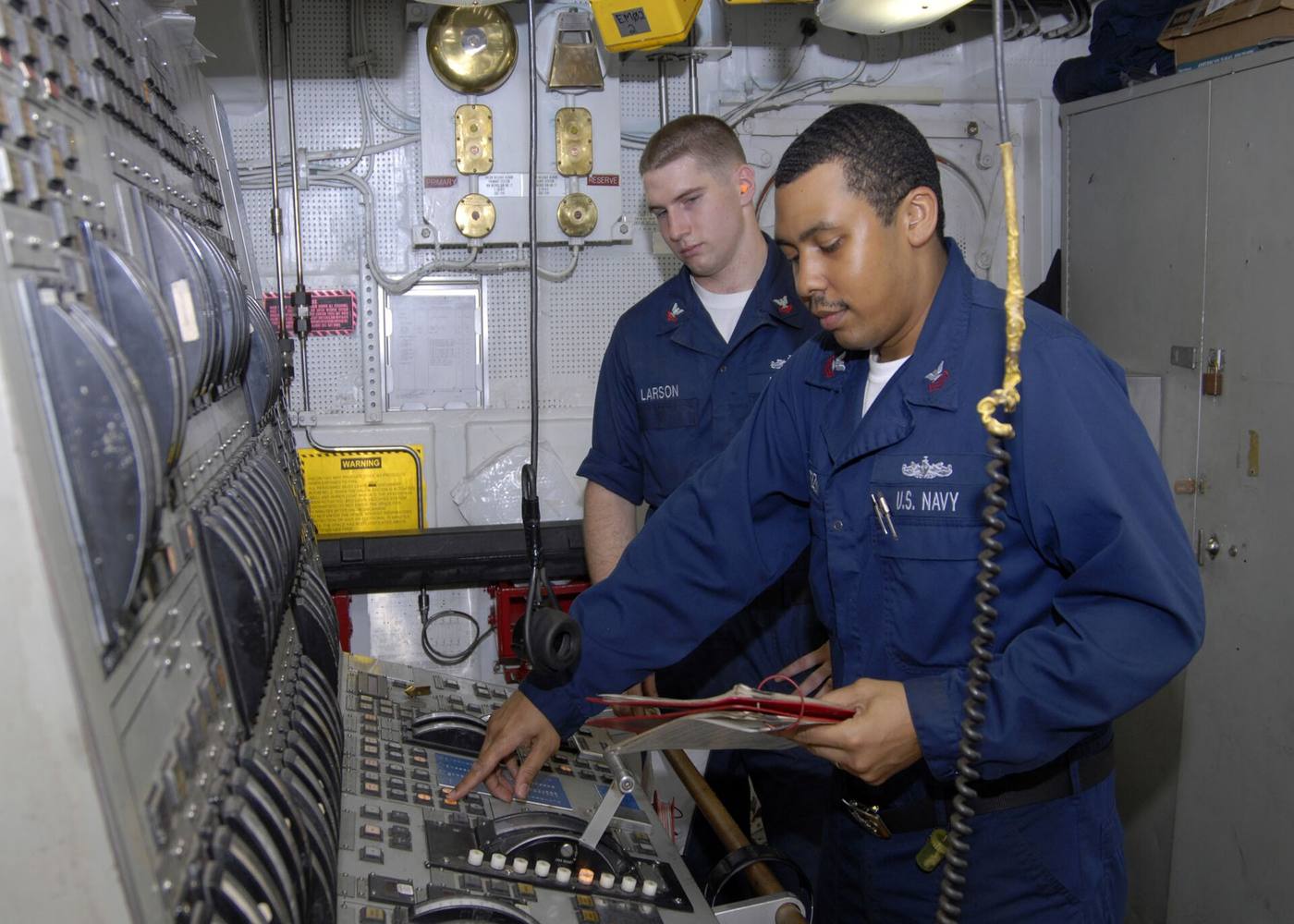
The engineer's job is diagnostic expertise under time pressure — and the expertise is increasingly thin. Crews are smaller, engines more electronic, and the senior engineer who 'heard that noise before' is the one whose knowledge retires first. An AI copilot for the engine room is the most defensible LLM application in the catalogue: a diagnostic memory that retrieves the manual, the vessel's own fault history, and the last time this signature appeared — on demand, at 0300, alone.
This is also the application closest to demonstrated reality — the agentic diagnostic work we covered elsewhere is precisely this architecture. This article is about the role, not the model.
Key findings
- Engineer watchkeeping is a sparse-expertise problem — the alarm that's rare on this ship is common in the fleet's history; the copilot is the memory that spans it. Maritime-GPT analysis
- The validated pattern is advisor-not-actor: retrieve the manual, the fault log, the similar case — the engineer still diagnoses and acts. Research demonstration
- The agentic diagnostic work (Transformer+LLM on real vessel data, 97–637 min prognostic lead) demonstrates the architecture this copilot would use. Research demonstration
- The constraint is the same as everywhere aboard: works offline, on shipboard compute, without the satellite link — the SLM case applies here directly. Established
- The liability is the confident wrong diagnosis — which is why the copilot retrieves evidence and reasoning, never a verdict. Maritime-GPT analysis
The problem is memory, not knowledge
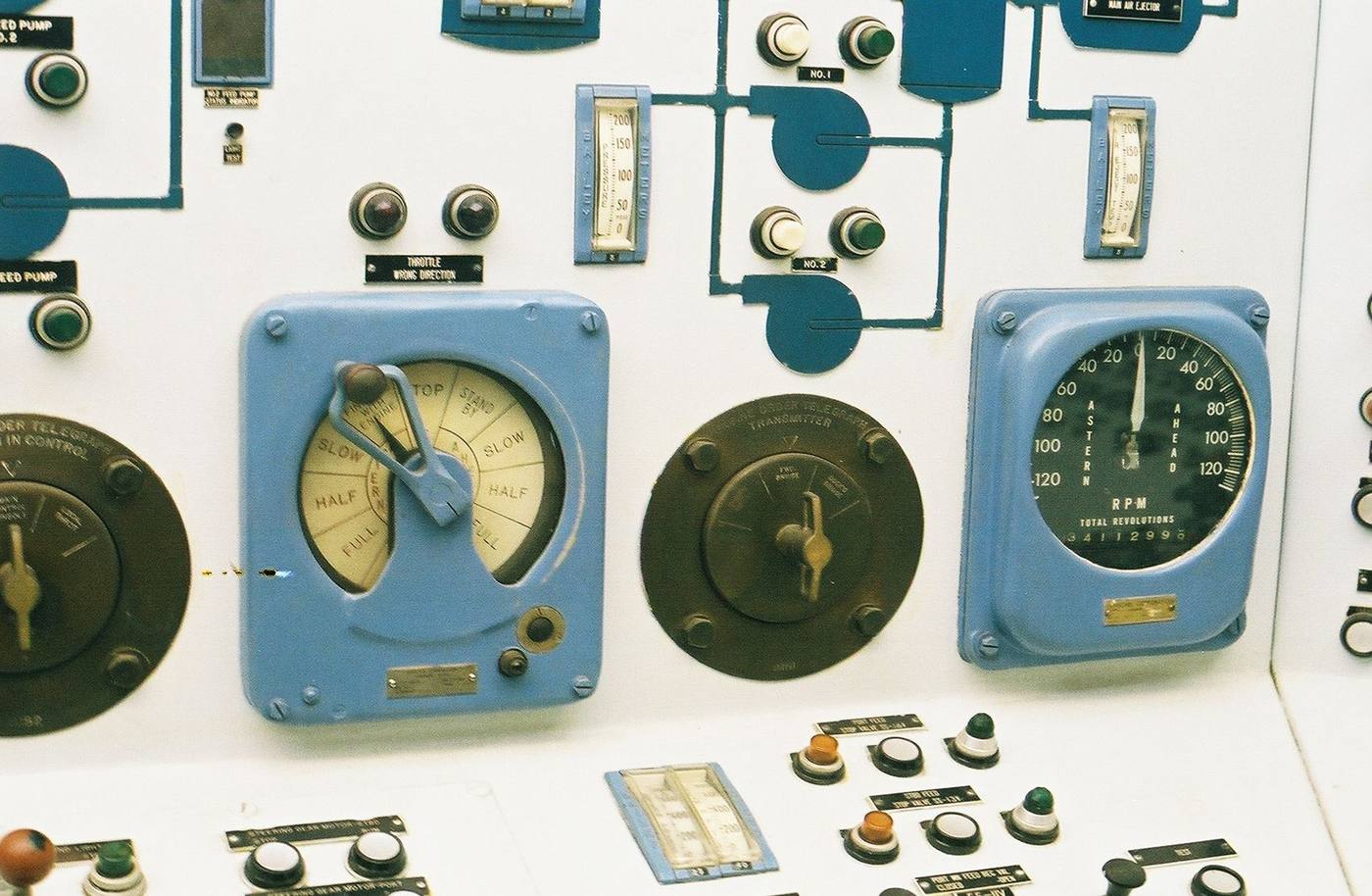
A marine engineer's value is pattern recognition across years of faults — the vibration signature, the smell, the pressure drift that means something specific. That expertise is perishable and concentrated. The copilot's function is institutional memory: this alarm appeared on sister ship X 18 months ago; the resolution was Y; the relevant manual section is Z. That retrieval is the thing a lone junior officer can't do alone — and the thing an LLM demonstrably does well. Research demonstration
The tasks it can honestly carry
- <strong>Manual retrieval.</strong> 'What does alarm 4B7 on this engine mean and what's the first check?' — the indexed manual, not a search through paper. Research demonstration
- <strong>Fault-history recall.</strong> 'Has this signature appeared before, and what was it?' — fleet-level memory on a single watch. Maritime-GPT analysis
- <strong>Guided troubleshooting.</strong> 'The differential pressure rising with falling flow suggests…' — the senior engineer's reasoning, made legible. Research demonstration
- <strong>Procedure guidance.</strong> 'The changeover sequence for this purifier is…' — retrieval of the procedure, not improvisation. Research demonstration
- <strong>Never the verdict.</strong> 'It might be the injector' is useful; 'it is the injector, proceed' is the hallucination risk that makes it dangerous. Maritime-GPT analysis
Why this one works
The engineer copilot is the highest-confidence application because the evidence backs it and the role fits the constraint. The diagnostic-diagnostics paper — an LLM orchestrating tools over a real vessel's condition-monitoring stream — demonstrated exactly this pattern returning prognostic lead times of roughly 97–637 minutes on fault scenarios. That's not a pitch; it's a measured result. The architecture — retrieval + constrained action + human decision — is the same one that makes the SLM and agentic work safe. Research demonstration
What it can't be
The copilot is not the engineer. A system that can retrieve a procedure can't feel the vibration, smell the fuel, or take responsibility for the isolation decision. The honest architecture keeps the human as diagnostician — the copilot assembles the evidence, the engineer judges it. Any framing that makes the tool the expert is the same automation-bias trap the bridge copilot falls into, transplanted below decks. Maritime-GPT analysis
What we know
- Sparse-expertise / memory is the genuine engineering pain point.
- Retrieval-based diagnostic assistance is the validated LLM pattern aboard.
- The role is advisor-not-actor — the engineer retains diagnosis and action.
What we don't
- Field-validated engineer-copilot deployments beyond the published diagnostic work.
- How well retrieval works on messy, vendor-specific vessel documentation.
- The right interface for a copilot used under stress, in noise, in PPE.
Being tested
- Shipboard-deployed retrieval copilots on real fault histories.
- Integration of copilot with the vessel's alarm/monitoring systems.
- Offline SLM copilots that survive link loss.
Maritime-GPT analysis
This is the copilot that makes the strongest case for the whole category — because the gap is real (expertise concentrated, crews thin), the architecture is proven (retrieve, don't decide), and the payoff is measurable (lead time on faults, not a soft UX gain). The risk is treating it as an expert rather than a memory. Build the system that knows where the answer lives, not the system that gives one. Maritime-GPT analysis
This is a research feature, not operational guidance. Simulation results are reported as simulation; demonstrations are not deployments; company claims are attributed as such. Verify safety-critical decisions against official nautical publications and flag-state requirements.
Sources & evidence
The demonstrated architecture — LLM over tools on real vessel data, 97–637 min prognostic lead.
The technical detail behind the advisor-not-actor pattern.
The upstream detection layer the copilot would explain.
The offline/edge constraint the copilot must satisfy.