
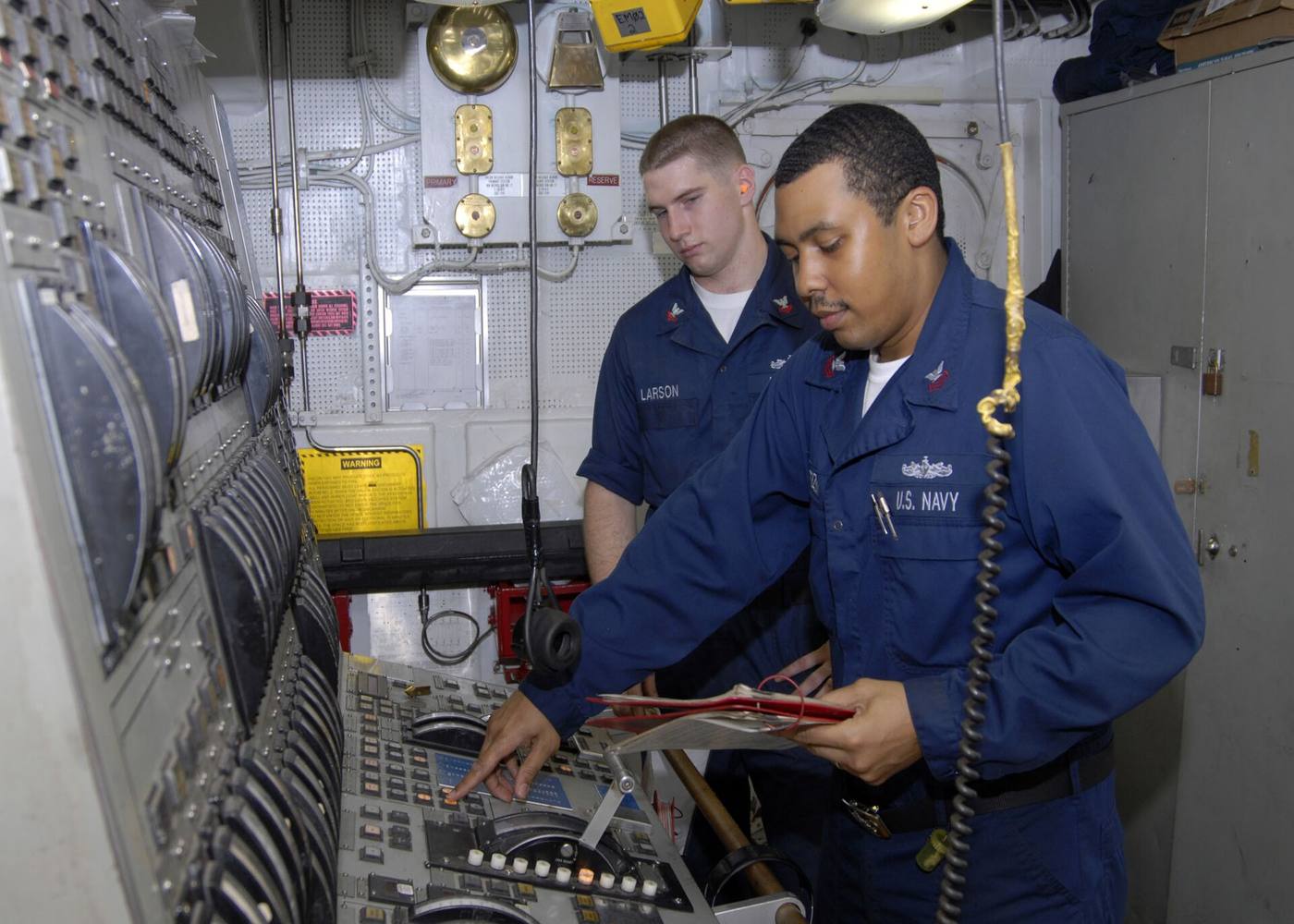
Predictive maintenance's central problem is defining 'normal': an anomaly detector needs a baseline, and a manual's spec sheet is the wrong one — it describes the engine as new, not this engine as it is. The digital twin supplies the answer: a calibrated model of what this specific engine, at this load, in this condition, should be doing right now.
That changes anomaly detection into something more valuable — prognosis. The difference between 'this reading is unusual' and 'this engine is degrading along a trajectory that reaches the alarm in six hours' is a baseline that knows the machine.
Key findings
- The twin supplies the live baseline anomaly detection needs — what this engine should be doing, now, in its current condition. Research demonstration
- Twin-vs-actual divergence is itself the anomaly — the model's disagreement with the sensors is the detection signal. Research demonstration
- The demonstrated value is prognostic lead time — the agentic-monitoring work showed hours of advance warning on real data. Research demonstration
- The twin model is machine-specific — trained on this engine's history, not a fleet generic — which is the calibration advantage. Established
- The alert still needs the engineer — the twin's output is an early-warning flag, not a diagnosis. Established
The baseline problem
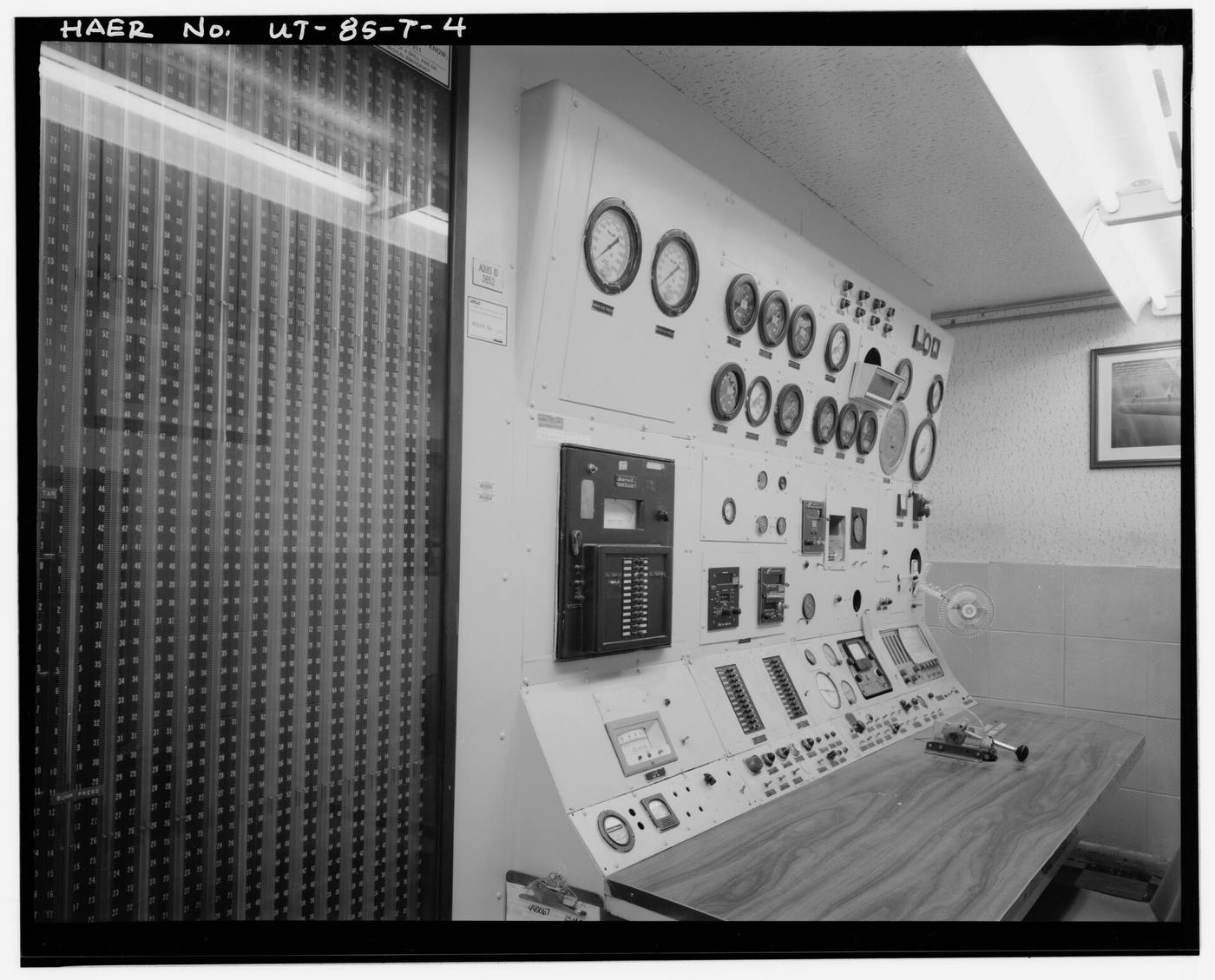
A generic anomaly detector learns a fleet average — the bearing temperature that 'most' engines show — and alarms when this engine deviates from the population. But this engine's normal is not the population's normal: its turbocharger wear, its ambient conditions, its load profile are specific. The twin's baseline is trained on this machine — which makes the anomaly signal sharper: the detection threshold sits closer to actual normal, so the drift is flagged sooner and with fewer false alarms. Research demonstration
From detection to prognosis
Simple anomaly detection says 'this is unusual'. A twin-backed system says 'this is unusual <em>and</em> consistent with a known degradation path' — the twin can simulate where the drift leads, giving the estimate of time-to-threshold that turns a flag into a prognosis. That's the layer the agentic-monitoring research demonstrated: detected fault scenarios with prognostic lead times of roughly 97–637 minutes on the test dataset — hours of warning, not seconds. Research demonstration
The twin's own limits
The twin's baseline drifts with the machine — a twin calibrated to a clean engine must be re-anchored as wear accumulates, or it slowly becomes the anomaly it was meant to detect (flagging 'unusual' readings that are actually the new normal). The twin's maintenance is a maintenance problem itself: re-syncing the baseline to the machine's actual trajectory is the ongoing engineering. A stale twin is worse than none — it measures today's engine against a year-old normal. Maritime-GPT analysis
Where this lands
- <strong>Main engine.</strong> Combustion signatures, bearing temperatures, exhaust — the highest-value monitoring target. Established
- <strong>Auxiliary machinery.</strong> Generators, pumps, compressors — the twin extends the same logic across the plant. Established
- <strong>Hull and propeller.</strong> Fouling-progression models — the twin tracking the degradation curve between cleanings. Research demonstration
- <strong>Fleet-wide.</strong> A twin-per-engine fleet where cross-vessel patterns surface systemic issues. Proposed
What we know
- The twin's calibrated baseline sharpens anomaly detection over population-average approaches.
- Twin divergence-as-anomaly converts detection into prognosis (lead time).
- The twin itself requires maintenance — the baseline must re-anchor to the machine's drift.
What we don't
- How often the twin's baseline must be re-anchored to stay honest.
- Whether twin-based prognosis scales across diverse machinery populations.
- The cost-benefit crossover where twin calibration pays for itself.
Being tested
- Per-engine twin calibration pipelines.
- Twin-divergence-as-prognosis validation across machinery classes.
- Fleet-level twin synchronization and pattern mining.
Maritime-GPT analysis
The twin's role in maintenance is the missing baseline — the model of what this engine should be doing that no manual can supply. It turns the anomaly detector from a population-average threshold into a machine-specific instrument, and the difference shows up as lead time: hours of warning where a generic alert gives minutes. The twin isn't the diagnosis — it's the honest reference the diagnosis is measured against. Maritime-GPT analysis
This is a research feature, not operational guidance. Simulation results are reported as simulation; demonstrations are not deployments; company claims are attributed as such. Verify safety-critical decisions against official nautical publications and flag-state requirements.
Sources & evidence
The demonstrated prognostic-lead evidence this article builds on.
The detection layer the twin's baseline feeds.
The watchkeeping workflow the alert plugs into.