
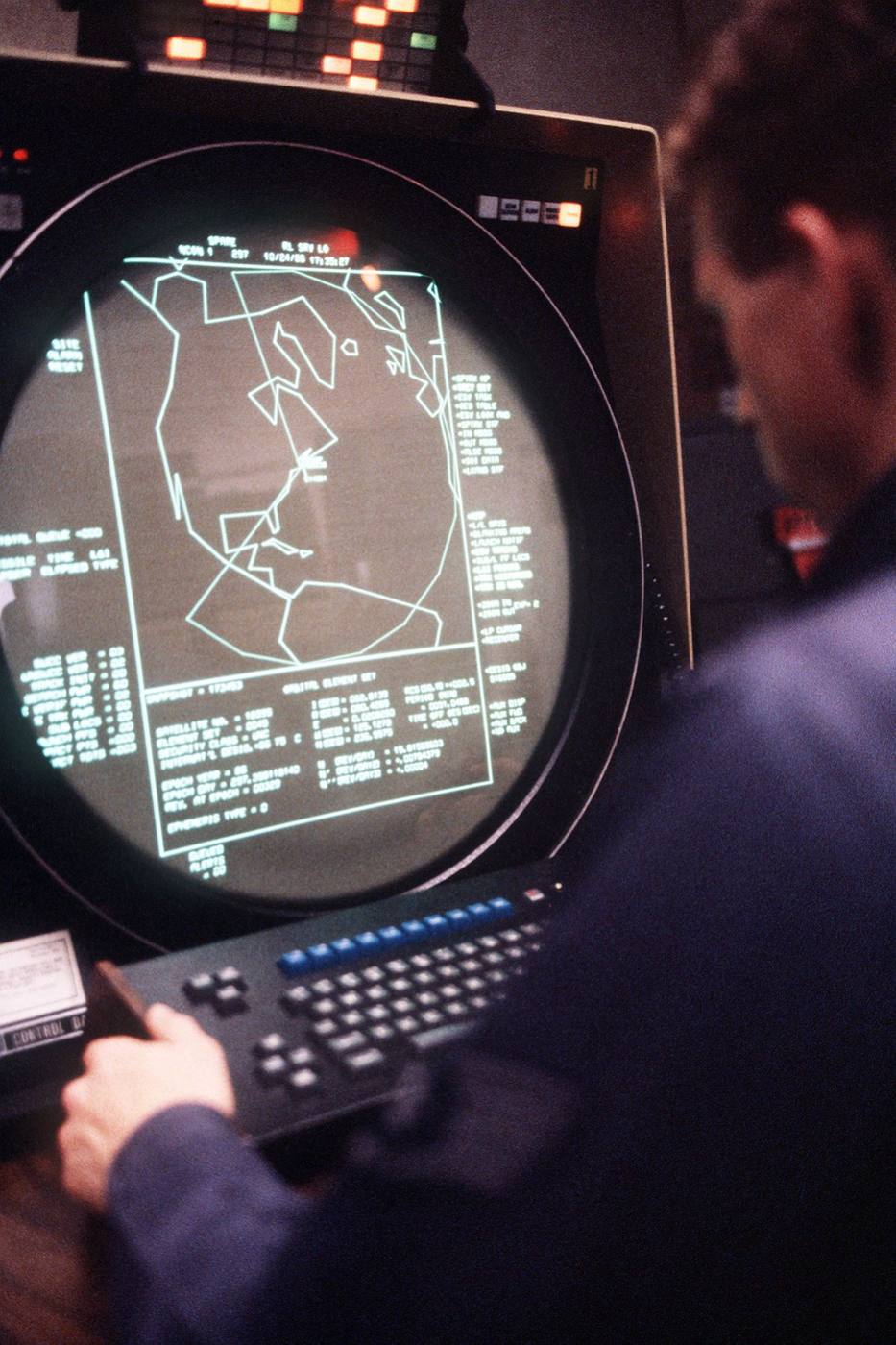
A bridge is a wall of interpretation: the radar scope, the ECDIS chart, the engine displays, the camera feeds — screens that a trained officer reads and a tired or junior one misreads. A vision-language model — an AI that can look at an image and describe it in words — is the obvious candidate for the role of 'the display that explains itself'.
The question is whether a VLM can read a radar scope or a chart with the reliability the safety case needs — and the honest answer is a qualified 'partially', with the same caveat the whole stack carries: advisor, not interpreter of record.
Key findings
- VLMs can describe general maritime imagery (ships, horizon, weather) but specialised displays — radar PPI, ECDIS symbology — are outside their reliable vocabulary. Research demonstration
- The failure mode is fluent misreading — a VLM that describes a radar scope confidently and wrongly is more dangerous than one that refuses. Maritime-GPT analysis
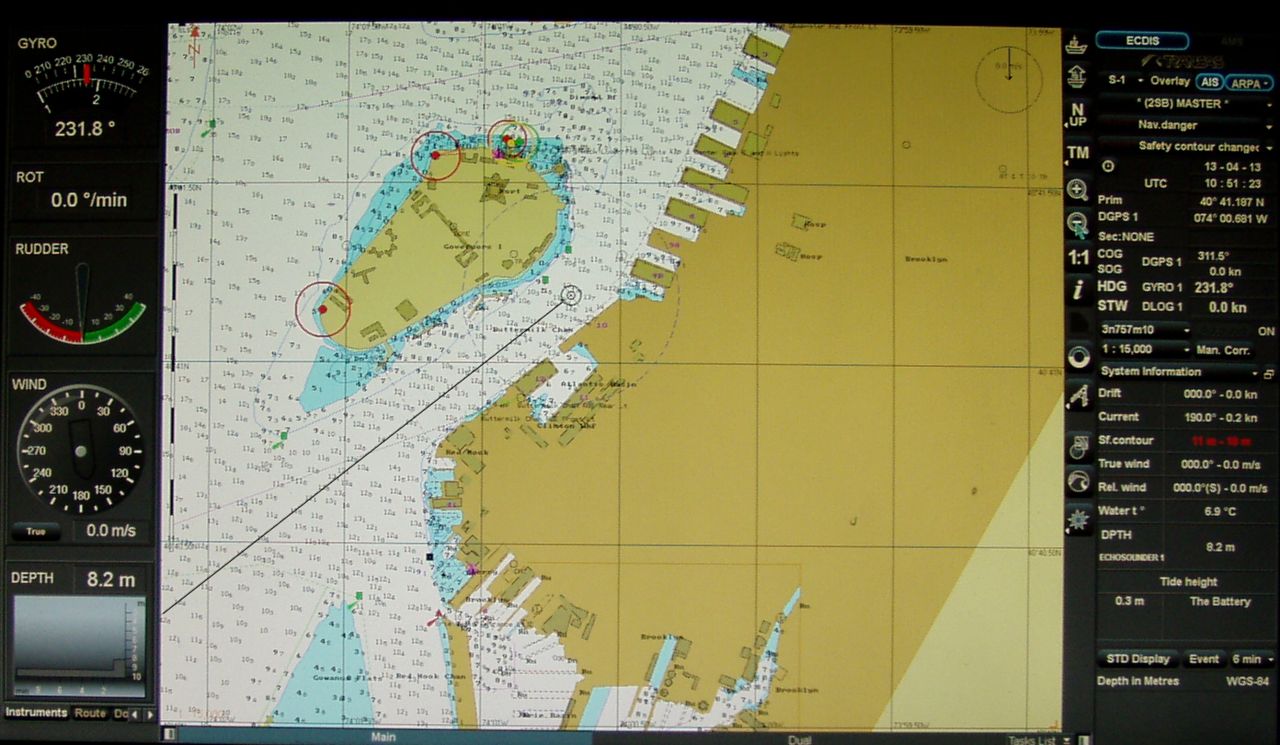
- Chart/ECDIS interpretation is a structured-symbol problem — the model must read standardised symbology, not natural imagery. Established
- The deployable role is a query layer — 'explain this display element' — not a primary interpreter. Maritime-GPT analysis
- Domain-specific fine-tuning on maritime displays is the missing corpus — general VLMs were trained on the web's images, not the bridge's. Established
What a VLM can and can't read
A VLM trained on web imagery can describe a photo of a ship at sea reliably — the general visual scene is in-distribution. A radar scope is not: a PPI display is a synthetic diagram in a language of symbols, sectors and tracks that the model must have been trained on specifically. A VLM that 'sees' a radar screen without that training is doing confident pattern-matching on unfamiliar symbology — the fluent-misreading failure the safety case exists to prevent. Maritime-GPT analysis
The two reads — scene vs symbology
- <strong>Scene reading.</strong> A camera feed, a satellite image, a photo — the VLM can describe what it sees well enough to annotate, flag or summarise. Research demonstration
- <strong>Symbology reading.</strong> Radar PPI, ECDIS chart symbols, instrument panels — structured displays whose meaning is a code, not an image. The VLM must be trained on the code, not just the pixels. Established
- <strong>The hybrid answer.</strong> A VLM that reads the scene but queries the structured display's data layer (the ECDIS's own database, not the screenshot) — reads what's computable, describes what's visual. Proposed
The assistant's real role
The VLM's honest value is as a query interface — 'what does this symbol mean', 'is there a target in that sector' — that turns the wall of displays into something queryable by a human who doesn't know every code. It's the same pattern as the diagnostic assistant: the model retrieves and explains, the human decides. The VLM that tries to be the primary interpreter — 'the radar shows a vessel at 3nm' — crosses into the unverified-authority territory the whole stack warns against. Maritime-GPT analysis
What we know
- VLMs describe general maritime imagery reliably; specialised displays need domain training.
- Fluent misreading of a scope is the dangerous failure mode.
- The credible role is query/explanation, not primary interpretation.
What we don't
- A maritime-display-trained VLM benchmarked against trained officers.
- Whether a VLM can be made reliable enough to interpret ECDIS symbology.
- How a VLM's uncertainty can be surfaced usefully on a safety display.
Being tested
- Fine-tuned VLMs on radar/ECDIS corpora.
- Assistive display-explanation tools for junior watchkeepers.
- Uncertainty-aware VLM outputs for safety-critical screens.
Maritime-GPT analysis
The VLM is the wrong tool for reading the screen and the right tool for explaining it. A bridge display is a code, not a picture — and a model that can describe the scene can't necessarily read the code. The honest product is the query layer: 'what does this symbol mean' answered reliably beats 'what does this radar show' answered confidently. The interpreter of record stays human; the assistant explains the language. Maritime-GPT analysis
This is a research feature, not operational guidance. Simulation results are reported as simulation; demonstrations are not deployments; company claims are attributed as such. Verify safety-critical decisions against official nautical publications and flag-state requirements.
Sources & evidence
The multimodal context the VLM would join.