
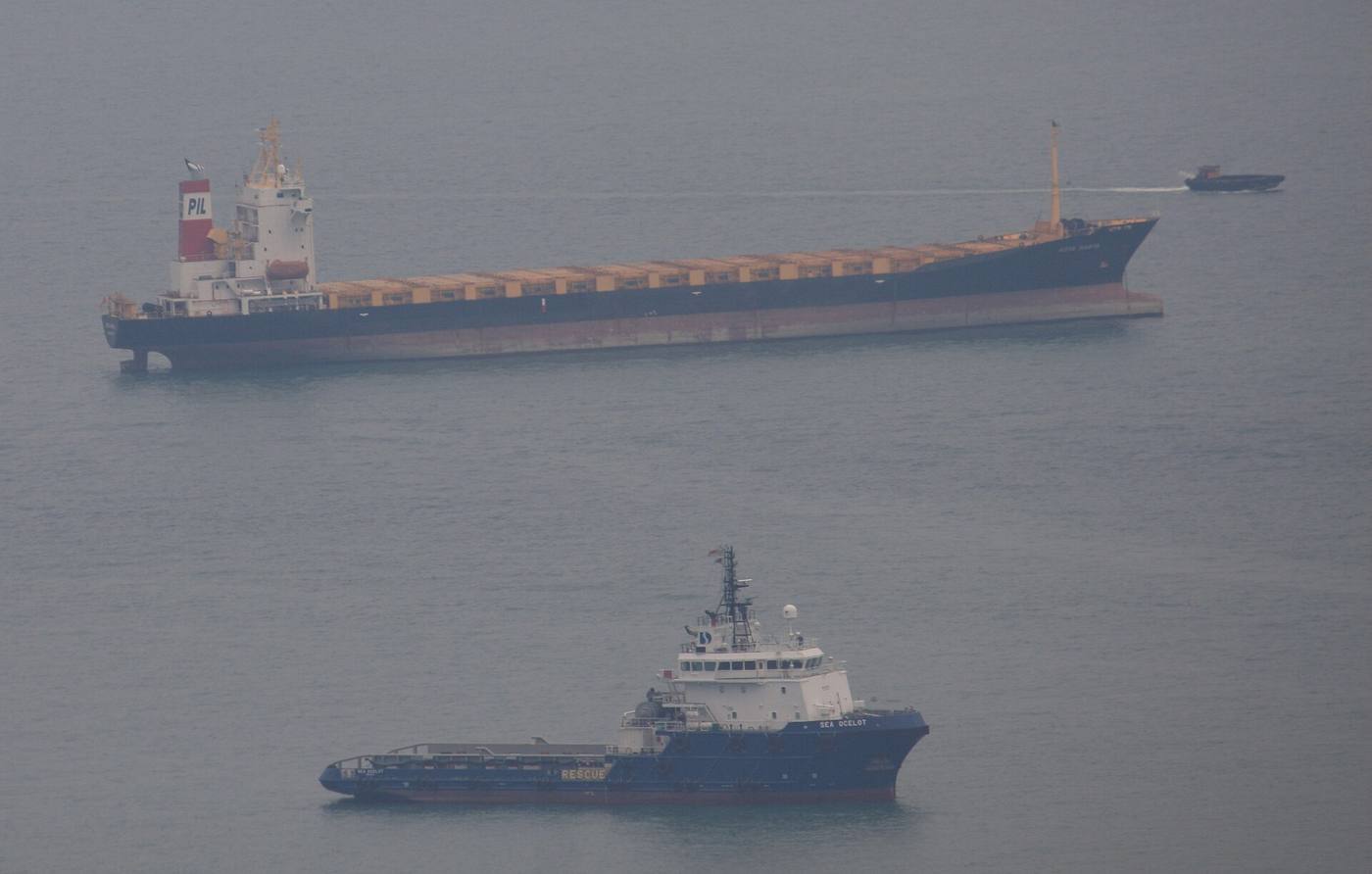
A fleet is not ten ships — it's one distributed system: vessels sharing weather systems, port slots, bunker markets, and charter obligations, where one ship's delay ripples into three others' plans. Single-agent AI treats each ship as an island; multi-agent AI assigns each vessel an agent that negotiates the shared constraints — which is the structure the problem actually has.
This is where the agentic-AI pattern extends beyond the single ship: the fleet doesn't need a smarter scheduler, it needs agents that can argue about the schedule.
Key findings
- Fleet management is a coordination problem — shared berths, weather windows, bunker timing — that multi-agent structure matches. Maritime-GPT analysis
- Each vessel-agent optimizes its own voyage while negotiating the shared constraints with the other agents. Research demonstration
- The fleet-level gains come from the interactions — arrival sequencing, weather-window sharing, correlated bunker decisions — not individual optimization. Maritime-GPT analysis
- The failure mode is conflict — two agents optimizing for the same slot — which requires an arbitration layer, not just more agents. Maritime-GPT analysis
- Human oversight sits at the fleet-ops desk — the agents propose, the fleet manager disposes. Established
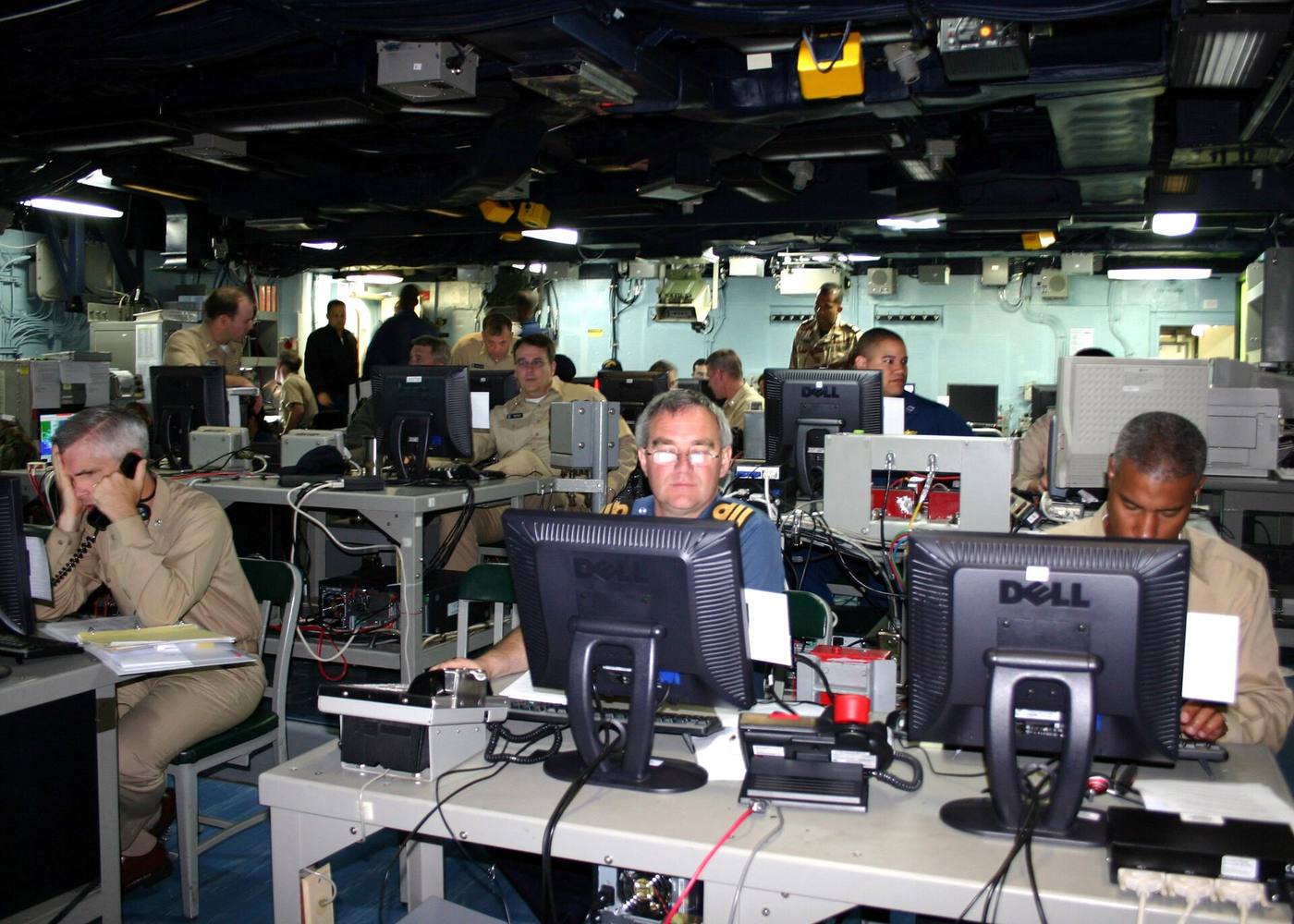
Why multi-agent and not one big planner
A centralized fleet optimizer is theoretically superior and practically fragile: it must see everything, decide for everyone, and be re-run every time anything changes. A multi-agent architecture distributes the work — each vessel-agent knows its own ship's state deeply, negotiates the shared resources (a berth slot, a weather window, a maintenance slot) with peers, and adapts locally. The approach matches how fleets actually operate — a network of locally-expert actors, not a chess master moving pieces. Maritime-GPT analysis
What the agents negotiate
- <strong>Berth windows.</strong> Two vessels converging on the same port — the agents sequence the arrivals to minimize total delay. Research demonstration
- <strong>Weather windows.</strong> A favourable routing corridor has capacity; the agents coordinate who gets the good slot. Maritime-GPT analysis
- <strong>Bunker timing.</strong> Fleet-wide fuel-price correlation — agents sharing a bunkering port schedule to exploit the window. Research demonstration
- <strong>Maintenance slots.</strong> Which vessel's dock availability aligns with which yard's capacity. Maritime-GPT analysis
The arbitration problem
Multi-agent systems don't negotiate — they conflict, and need an arbitration layer. When two agents' plans collide over a shared resource, someone decides: an auction mechanism, a priority rule, or a human fleet-ops desk. The unresolved question is what the arbitration represents — pure efficiency, or commercial priorities the agents can't see. The architecture's honesty is in who arbitrates and by what rule; a fleet of agents without one is just a faster way to reach a standoff. Maritime-GPT analysis
Where the human stays
The fleet manager's role shifts from planner to arbiter — the agents bring candidate schedules with their reasoning attached, and the human resolves the conflicts the mechanism can't: which vessel's charter deadline is genuinely immovable, which customer relationship outweighs a schedule gain, which plan is operationally credible beyond its numbers. The agents are negotiators; the manager is the authority they negotiate before. Maritime-GPT analysis
What we know
- Fleet management is naturally multi-agent — distributed vessels sharing distributed constraints.
- The gains are in the interactions — sequencing, window-sharing, correlated timing.
- An arbitration layer resolves conflicts the agents can't settle themselves.
What we don't
- Whether multi-agent fleet coordination measurably outperforms centralized planning.
- How agent-negotiated schedules hold up under real commercial complexity.
- The governance model for autonomous agent-to-agent negotiation.
Being tested
- Multi-agent berth-window negotiation pilots.
- Fleet-ops dashboards that expose agent reasoning to human arbiters.
- Auction/mechanism-design arbitration for shared resources.
Maritime-GPT analysis
The fleet is a distributed system, and a multi-agent architecture finally matches its structure — each vessel an agent, the shared constraints negotiated rather than centrally planned. The hard part isn't the agents' intelligence; it's the arbitration — who decides when two agents' optimal plans conflict. That answer is human and commercial, which is why the fleet manager isn't replaced by this, just promoted to arbiter. Maritime-GPT analysis
This is a research feature, not operational guidance. Simulation results are reported as simulation; demonstrations are not deployments; company claims are attributed as such. Verify safety-critical decisions against official nautical publications and flag-state requirements.
Sources & evidence
The agentic-workflow foundation this multi-agent extension builds on.
The collision-domain version of multi-agent coordination.
The port-side coordination the fleet agents interface with.