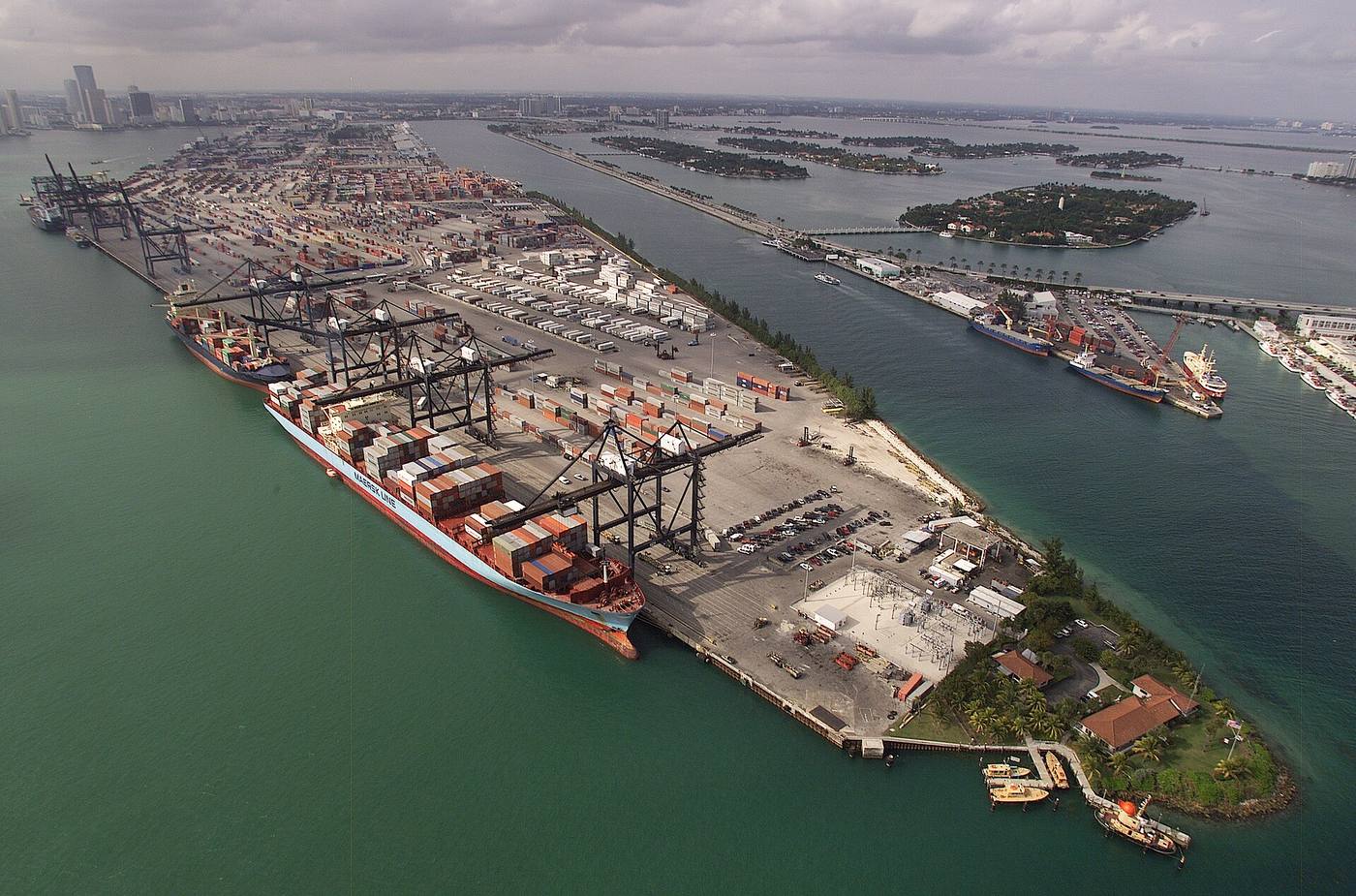
A single port call coordinates the vessel, the berth plan, pilots, tugs, linesmen, cranes, stevedores, customs, and a truck queue — most of it through messages: ETA updates, berth confirmations, stowage plans, booking windows. The port is a choreography, and choreography runs on communication.
That makes port operations a natural copilot domain — the assistant that drafts notices, reconciles schedules, flags conflicts, and answers 'when does X arrive' across a dozen systems. The same caveat applies as everywhere: coordination assistance is real; operational authority stays with the people.
Key findings
- Port calls are coordination-dense — the majority of port-operations friction is communication and scheduling, which is language-model territory. Maritime-GPT analysis
- The copilot's strong jobs: ETA reconciliation across parties, notice drafting, berth-conflict flagging, document checking, stakeholder Q&A. Research demonstration
- The optimization substrate is real — berth allocation and scheduling are genuine ML/optimization problems the copilot sits on top of. Established
- Tool-calling is the enabling pattern — the copilot is only useful when it can query the PCS, the TOS, and the AIS feed, not when it chats in a vacuum. Established
- Safety-critical operations — crane moves, pilotage, dangerous-goods handling — stay under certified human/operational control, full stop. Established
The coordination layer is the bottleneck
Ask a port operations manager what consumes the day and the answer is messages: chasing an updated ETA, reconciling the berth plan against three different schedules, re-issuing a notice because a window moved. The deep optimization — which berth, which crane split — is a real ML problem, but it's solved periodically; the coordination is continuous, and it's mostly text. That's the copilot's home ground. Maritime-GPT analysis
What the assistant does
- <strong>ETA reconciliation.</strong> Pulls AIS-derived ETAs, agent updates, and berth-plan windows into one view; flags when they disagree. Research demonstration
- <strong>Notice drafting.</strong> Arrival notices, berth confirmations, shift instructions — templated messages generated and queued for a human send. Research demonstration
- <strong>Conflict flagging.</strong> Two vessels claiming one window, a crane booking that overlaps maintenance — scheduling collisions surfaced early. Maritime-GPT analysis
- <strong>Document Q&A.</strong> 'What are this berth's LOA limits', 'what's the gang arrangement for this call' — retrieval over port docs and call files. Research demonstration
Tool access is the whole game
A port copilot that can't see the terminal operating system, the port-community system, and the live AIS feed is a chatbot with opinions. The useful architecture is tool-calling: the model reads a question, selects the right system, queries it, and synthesizes the answer — the same agentic pattern demonstrated in the 2025 AAAI shipping-workflow work, pointed at port data. The copilot's value scales directly with how many systems it can safely read. Established
Where it stops
None of this touches the safety-critical core: crane operations, pilotage, dangerous-goods coordination, and traffic management remain under certified human control and established procedures. The copilot works the information layer around them — and even there, a wrong ETA propagated to thirty parties is a real operational error, so the system's output is advisory and attributable, never auto-committed to the plan. Established
What we know
- Port-call friction is dominated by coordination and communication — the copilot's native ground.
- Tool-calling against PCS/TOS/AIS is what separates a copilot from a chatbot.
- Safety-critical port operations stay under human/certified control.
What we don't
- Measured throughput or delay improvements from deployed port copilots.
- How copilots negotiate cross-organizational data access between competitors.
- Whether coordination assistance compounds into measurable berth-window gains.
Being tested
- Port-community-system copilots that reconcile multi-party schedules.
- Tool-calling agents over TOS data for planner Q&A.
- Conflict-detection alerting on berth/crane/resource plans.
Maritime-GPT analysis
The port copilot's insight is that port operations aren't primarily an optimization problem — they're a coordination problem with an optimization core. The copilot wins on the messages, not the mathematics: reconciled ETAs, drafted notices, flagged conflicts. The berth algorithm can stay in the scheduler; what the humans need is an assistant that reads every system and answers in plain language. Maritime-GPT analysis
This is a research feature, not operational guidance. Simulation results are reported as simulation; demonstrations are not deployments; company claims are attributed as such. Verify safety-critical decisions against official nautical publications and flag-state requirements.
Sources & evidence
The tool-calling agent pattern applied to maritime decision workflows.