
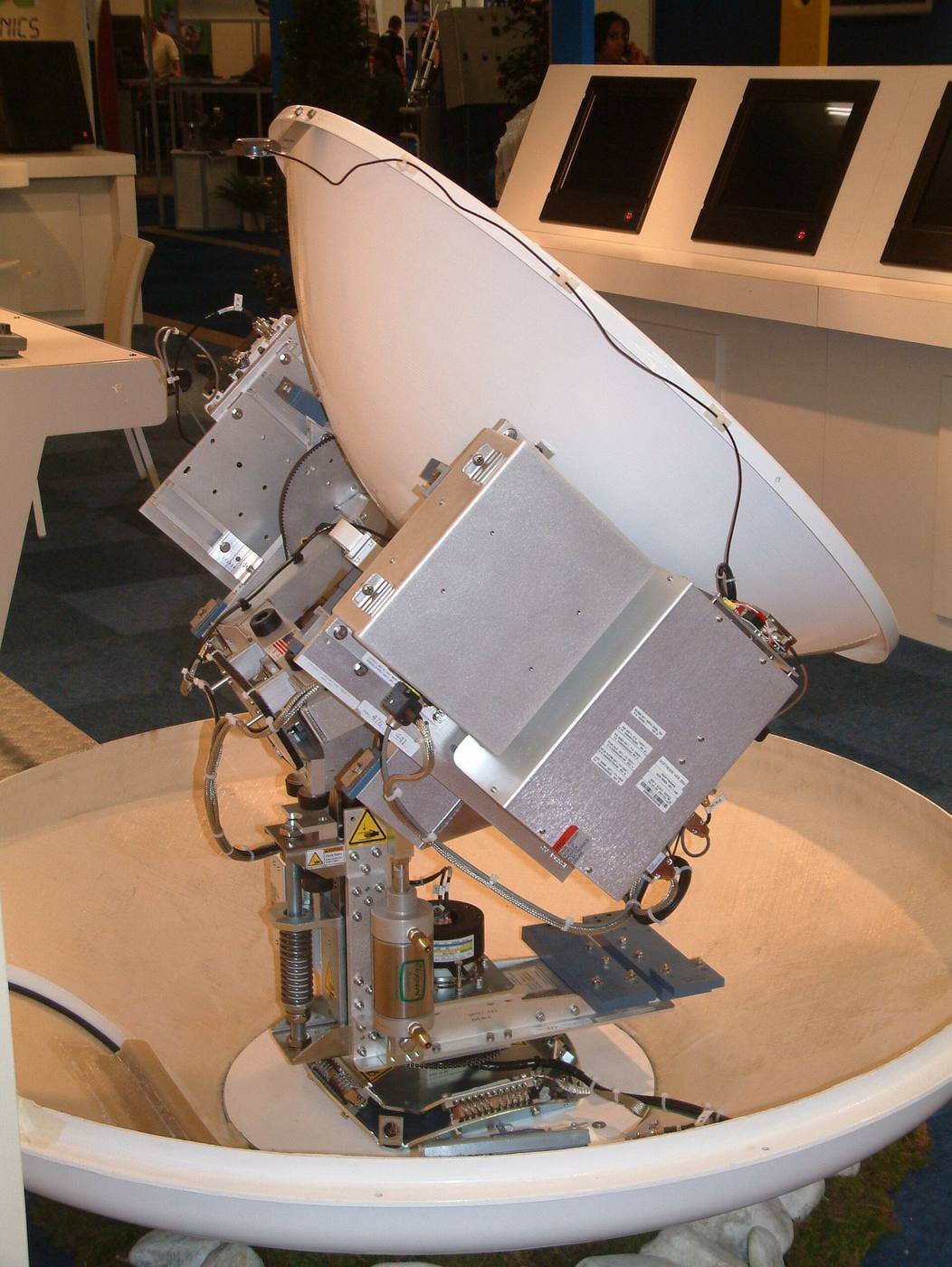
The cloud-vs-edge question is really a placement question: which AI functions must run aboard the ship, and which can run ashore? It's the architectural decision that shapes everything downstream — the hardware, the models, the latency, the resilience — and the honest answer is neither 'all cloud' nor 'all edge' but a layered split that matches the function to the place it must live.
The rule of thumb is the satellite link: anything that must work when the link drops lives aboard; anything that benefits from compute the ship can't carry lives ashore. The interesting engineering is in the middle.
Key findings
- The reflexes live aboard — collision avoidance, alarm handling, anything with a latency budget the link can't serve. Established
- The reasoning lives ashore — fleet analytics, model training, the compute-heavy work the ship's rack can't do. Established
- The link's unreliability is the design driver — the ship must function when the satellite link is down, not just when it's up. Established
- The split isn't binary — a shipboard cache of the cloud's intelligence, synced when connectivity allows, is the pragmatic middle. Maritime-GPT analysis
- Data sovereignty shapes placement — operational data that can't leave the ship forces onboard inference. Established
What must live aboard
The functions that can't wait for a satellite round-trip — or can't survive its absence — live on the ship: collision avoidance, alarm monitoring, the perception stack, the watchkeeping assistant, the anomaly detector watching the machinery. These are the ship's reflexes — they must answer in the ship's time, in the ship's environment, without asking permission of a cloud that may not answer. The edge isn't a preference here; it's the physics. Established
What can live ashore
The functions that benefit from scale — fleet-wide analytics, model training, long-horizon optimization, the deep-learning workloads the ship's hardware can't run — live ashore where the compute is cheap. The shore-side AI is the fleet's brain: it sees all the vessels, learns the cross-fleet patterns, and pushes updated models down to the ships. The cloud is where the intelligence is made; the edge is where it's used. Established
The sync layer
The interesting architecture is the middle: the ship keeps a local cache of the intelligence it needs — the models, the retrieval corpus, the route library — synced from the cloud whenever the link allows, and functioning independently when it doesn't. The shipboard AI is a local replica of the cloud's capability, refreshed at the link's cadence — which means the edge is not a dumb terminal but a capable cache, degraded gracefully rather than disabled by disconnection. Maritime-GPT analysis
The deciding factors
- <strong>Latency.</strong> Millisecond-critical functions live aboard; second-tolerant ones can transit the link. Established
- <strong>Resilience.</strong> What must survive a link outage stays aboard. Established
- <strong>Compute.</strong> What needs more than the rack can deliver lives ashore. Established
- <strong>Data sovereignty.</strong> What can't leave the ship stays aboard. Established
- <strong>Bandwidth cost.</strong> What would cost too much to transmit lives aboard; what benefits from aggregation lives ashore. Maritime-GPT analysis
What we know
- The split is functional — reflexes aboard, reasoning ashore.
- The satellite link's unreliability is the design constraint.
- A synced shipboard cache bridges the two layers pragmatically.
What we don't
- Optimal cloud-edge split for specific vessel types and trades.
- How quickly models can be updated aboard via satellite.
- Whether onboard compute will eventually absorb more functions.
Being tested
- Hybrid cloud-edge deployments on operating fleets.
- Bandwidth-efficient model-sync protocols.
- Graceful-degradation behaviours on link loss.
Maritime-GPT analysis
Cloud-vs-edge is a false binary — the honest architecture is a gradient, with the ship's reflexes aboard, the fleet's reasoning ashore, and a synced cache bridging them. The satellite link isn't the channel; it's the constraint that decides what must live where. The vessels that get this right treat the edge not as a limitation but as the layer that must work when everything else fails. Maritime-GPT analysis
This is a research feature, not operational guidance. Simulation results are reported as simulation; demonstrations are not deployments; company claims are attributed as such. Verify safety-critical decisions against official nautical publications and flag-state requirements.