
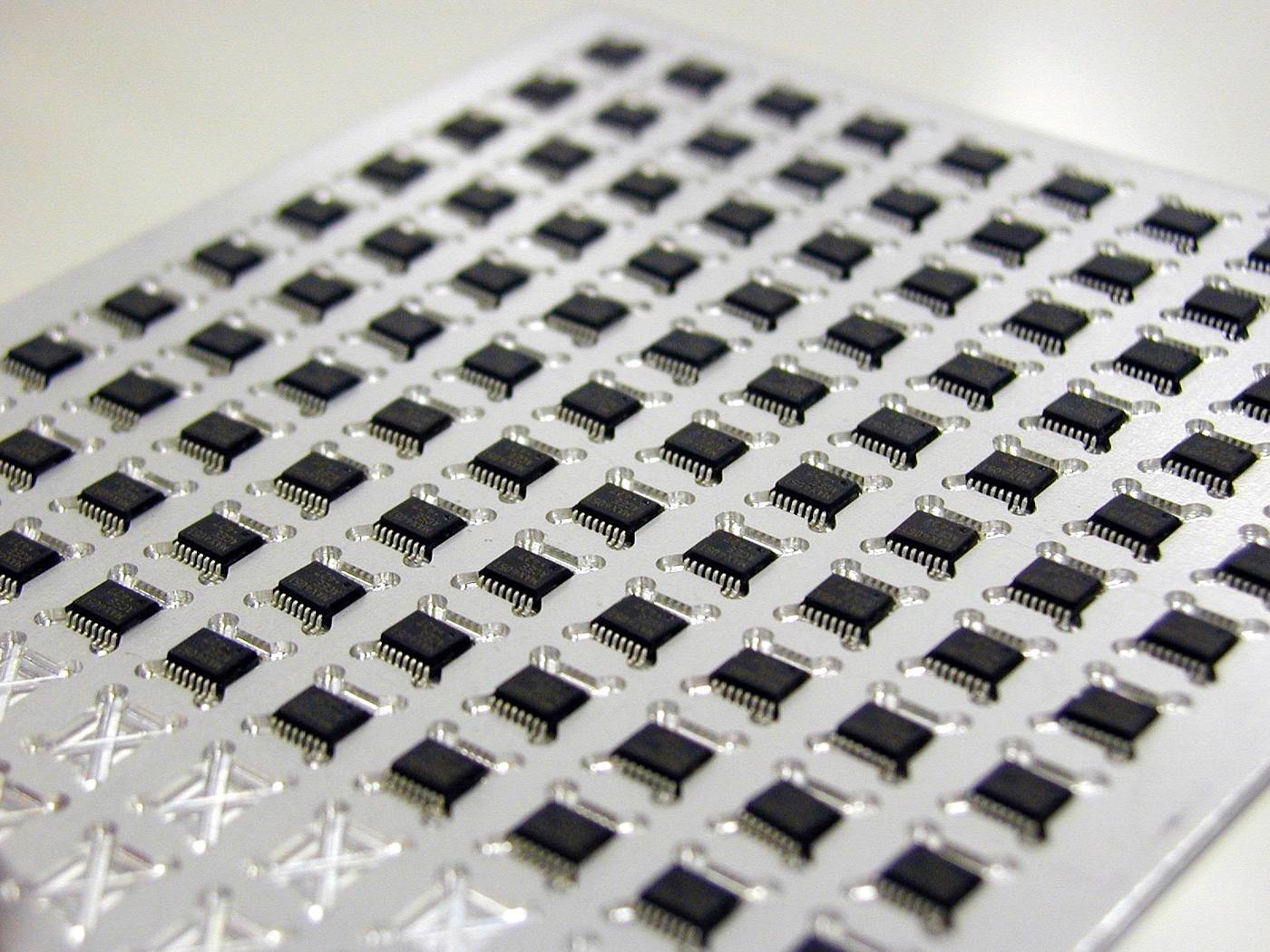
The cloud assumption breaks at sea. A shipboard AI can't reach a GPU cluster; it has what fits in the console, powered by what the generator provides. Quantization — compressing a model's weights from 16-bit to 8, 4, or fewer bits — is the technique that makes a language model fit. The trade is the whole story: every bit you strip out buys size and speed at the cost of capability.
This is the hardware reality behind the 'ship runs its own AI' pitch — and the reason the answer is 'a smaller, domain-tuned one' rather than 'the big model, shrunk'.
Key findings
- Quantization shrinks a model's memory footprint 4–16× — the difference between 'needs a rack' and 'fits on an embedded board'. Established
- The trade is capability, not just size — aggressive quantization degrades the reasoning the safety-critical application needs. Established
- Shipboard GPU options (Jetson-class, industrial accelerators) are real and adequate for quantized small models. Established
- The maritime case favours small-but-fine-tuned over large-but-quantized — a 7B specialist beats a 70B generalist shrunk to fit. Maritime-GPT analysis
- Offline operation is the non-negotiable: the model must work when the satellite link doesn't. Established
What quantization actually does
A transformer stores weights as floating-point numbers; quantization maps them to lower-precision integers — 8-bit, 4-bit, sometimes lower. The gain is memory and speed: a 14B model that needs ~28GB at fp16 fits in ~7GB at 4-bit. The cost is fidelity: the model's output distribution shifts, and the shift is larger the more aggressive the compression. For a chatbot it's a quality regression; for a ship's decision support it's a correctness regression. Established
The shipboard compute reality
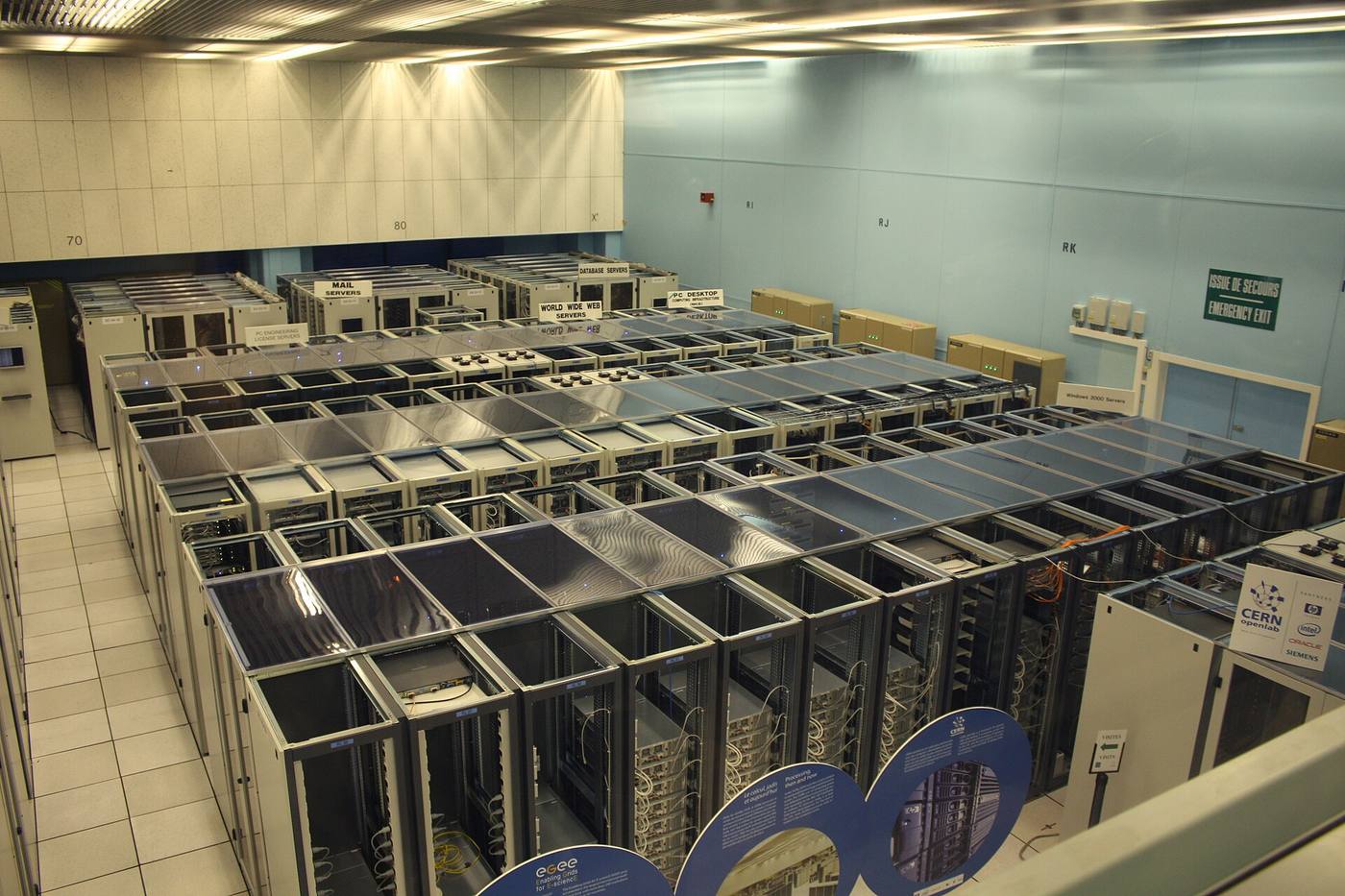
- <strong>Power and cooling.</strong> Aboard, watts are budgeted and air-conditioned space is limited — the datacentre's thermal headroom doesn't exist. Established
- <strong>No burst capacity.</strong> The cloud can scale; the ship's GPU is fixed for the voyage. Established
- <strong>Offline constraint.</strong> Latency and availability aren't the problem — the problem is the model must run with zero dependency on the link. Established
- <strong>Maintenance.</strong> Shipboard hardware is field-serviceable at best — enterprise GPU lifecycles don't map to a ship's schedule. Maritime-GPT analysis
The right-sizing answer
The conclusion the evidence points to: don't shrink a giant, build a specialist. A 7–14B parameter model fine-tuned for maritime tasks, quantized to 4–8 bit, runs on shipboard hardware and beats a general model many times its size — the SLM result we covered earlier is exactly this. Quantization is the enabler for the specialist model, not the rescue for the general one. Maritime-GPT analysis
What the trade costs
Aggressive quantization hits hardest on exactly the capabilities the safety-critical application needs: long-context reasoning, rare-fact recall, calibrated uncertainty. A heavily-compressed model is more likely to be confidently wrong — the hallucination problem amplified. The sweet spot the maritime work points to is 4–8 bit on a domain-tuned 7–14B model — enough capability to reason, small enough to run aboard, and bounded enough to be safe. Research demonstration
What we know
- Quantization is the technique that makes shipboard LLMs feasible.
- The trade-off is capability, especially on the long-tail reasoning the safety case needs.
- A small fine-tuned model quantized is preferable to a large generalist quantized.
What we don't
- Published maritime LLM benchmarks at each quantization level.
- Whether 4-bit is safe enough for reasoning tasks vs 8-bit.
- The real-world reliability of quantized models under shipboard conditions.
Being tested
- Maritime SLMs quantized for Jetson-class hardware.
- Accuracy-vs-quantization curves on maritime tasks.
- Hybrid edge-cloud architectures for when the link is up.
Maritime-GPT analysis
The quantization question is really the architecture question answered at the hardware level. You don't want the big model aboard — you want the right-sized specialist that the hardware can run at full fidelity with room to spare. Quantization is the tool that makes that possible, and the sweet spot is a small domain model that doesn't need to be squeezed hard. Aboard, as elsewhere, the answer is 'purpose-built' over 'general-purpose, compressed'. Maritime-GPT analysis
This is a research feature, not operational guidance. Simulation results are reported as simulation; demonstrations are not deployments; company claims are attributed as such. Verify safety-critical decisions against official nautical publications and flag-state requirements.