

The IMO's MASS Code is deliberately staged: a non-mandatory code adopted around 2026, followed by an experience-building phase where early autonomous operations generate the data that informs the mandatory instrument, targeted for adoption around 2030 and entry into force around 2032. The architecture is sensible — regulate what you know after you've seen it operate — but every stage is a point where the timeline can slip or the requirement can be watered down.
For a company building or financing autonomous capability, the roadmap is the planning baseline — and the staging's details are where the regulatory risk actually lives.
Key findings
- The roadmap is staged: non-mandatory code (~2026) → experience-building phase → mandatory code (adoption ~2030, in force ~2032). Established
- The non-mandatory code's purpose is generating operational evidence — the trial phase that informs the mandatory requirements. Established
- The mandatory code will be made binding through amendments to an existing instrument (likely SOLAS), not a standalone convention. Established
- The timeline carries real slip risk — IMO timelines regularly extend; '2030/2032' is a target, not a guarantee. Maritime-GPT analysis
- The strategic implication for operators: the 2026-2030 voluntary phase is the window where operational advantage is built before requirements crystallize. Maritime-GPT analysis
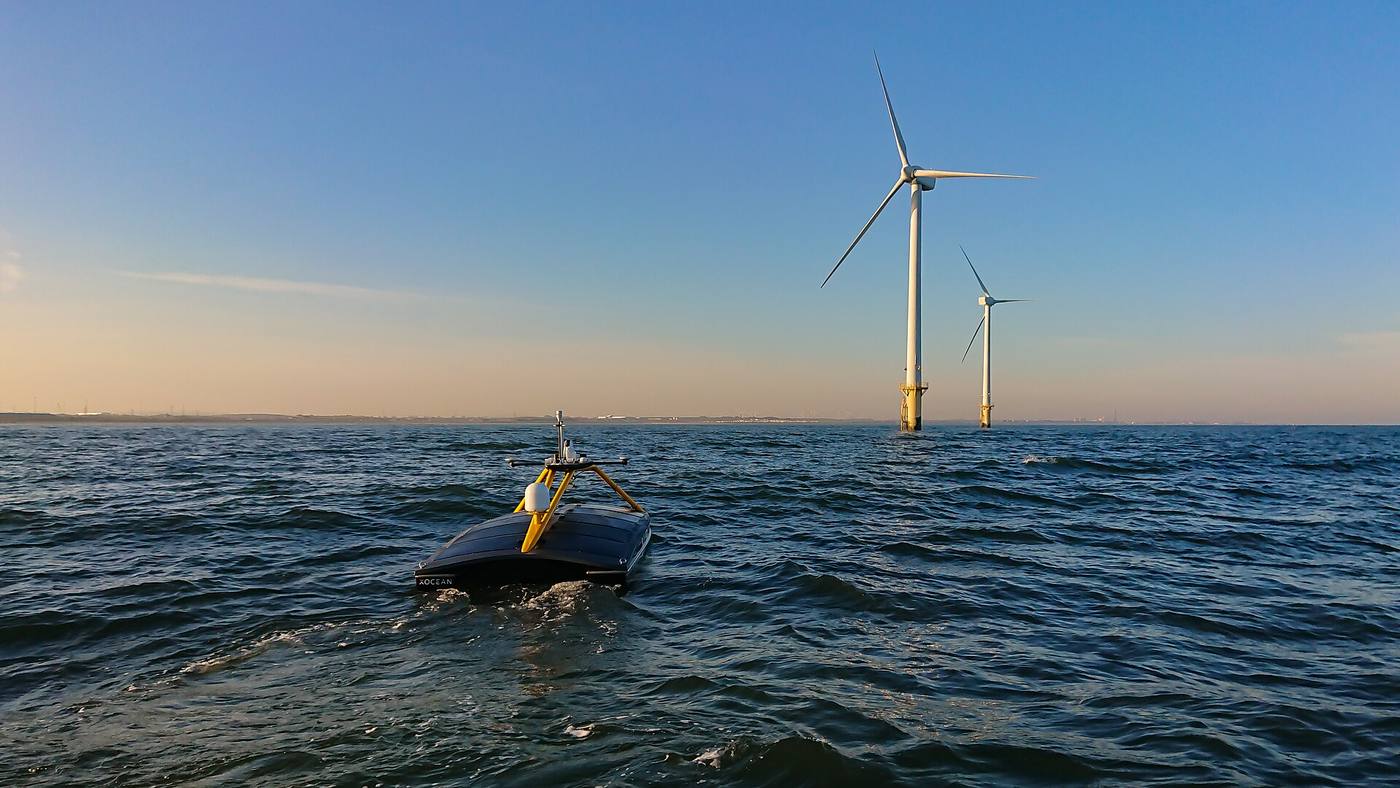
The three stages
- <strong>Stage 1 — Non-mandatory code (~2026).</strong> The voluntary framework early adopters operate under; defines the goals and the safety-case expectations. Established
- <strong>Stage 2 — Experience-building phase.</strong> Operational data from early MASS voyages feeds the mandatory code's requirements — the learn-by-doing stage. Established
- <strong>Stage 3 — Mandatory code (~2030 adoption, ~2032 in force).</strong> The binding instrument, brought into force through amendments to SOLAS or a related convention. Established
Why the staging matters
The staged approach is a regulatory bet: rather than write binding rules for a technology that doesn't yet exist at scale, the IMO is letting early operations generate the evidence the final code will codify. The bet's payoff is a mandatory code informed by real operations; its cost is that the rules in force during the industry's formative years are voluntary — which means compliance in this window is a strategic choice, not a legal requirement. Established
The slip risk
IMO timelines historically extend — the experience-building phase could run long, the mandatory instrument could slip past 2032, or its requirements could be diluted in negotiation. For industry planning, '2030/2032' should be read as the official target, not the schedule to bet against; the prudent posture treats the voluntary phase as the de facto framework for longer than the roadmap suggests. Maritime-GPT analysis
What the window buys
For operators and builders, the 2026-2030 voluntary window is the period where operational advantage is built before requirements crystallize — the vessels, procedures, and evidence gathered now position a fleet for the mandatory regime, while waiting for the mandatory code means arriving at a market the early movers shaped. The roadmap's staging isn't just a regulatory process; it's the competitive calendar. Maritime-GPT analysis
What we know
- The roadmap is non-mandatory (2026) → experience-building → mandatory (~2030/2032).
- The mandatory code will ride on an existing instrument, not a new convention.
- Timeline slip is a real risk — IMO targets regularly extend.
What we don't
- Whether the mandatory code actually lands on schedule.
- How stringent the final requirements will be after negotiation.
- Whether national regulations will run ahead of the IMO timeline.
Being tested
- Early-adopter experience-building data collection.
- Flag-state approaches to MASS during the voluntary phase.
- SOLAS amendment pathways for the mandatory instrument.
Maritime-GPT analysis
The MASS roadmap's staged design is the right regulatory shape for a technology still in trials — but the staging is the risk. Every transition point (voluntary to mandatory, experience to requirement) is a negotiation where the timeline can slip and the requirement can soften. For a company building autonomy capability, the voluntary phase isn't a waiting room — it's the window where the operational moat is dug, before the mandatory code arrives and codifies the table stakes. Maritime-GPT analysis
This is a research feature, not operational guidance. Simulation results are reported as simulation; demonstrations are not deployments; company claims are attributed as such. Verify safety-critical decisions against official nautical publications and flag-state requirements.
Sources & evidence
The official roadmap source — verify dates against current IMO publications.
The regulatory mechanism this roadmap deploys.