
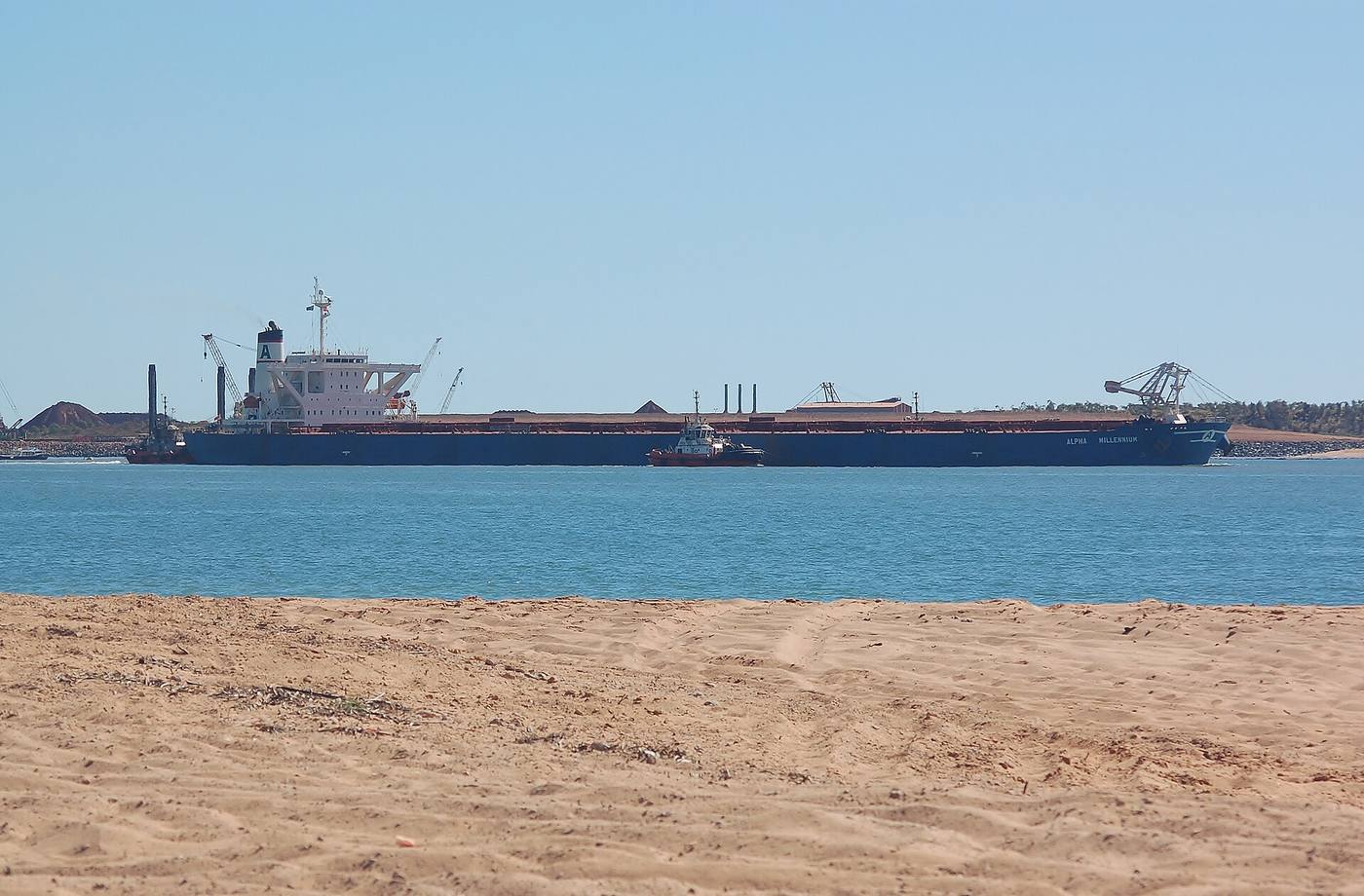
Chartering is one of shipping's most document-dense and time-pressured jobs: a fixture is negotiated across emails, summarized in a recap, and priced against a market that moved while you were reading. It is, in other words, exactly the kind of work a language model is built to assist — drafting, summarizing, extracting, comparing.
It is also a negotiation, and negotiations have consequences a draft doesn't. The useful question isn't whether an AI can help a charterer — clearly it can — but where the line sits between assistance and authority.
Key findings
- Chartering's document-heavy workflow — recaps, position lists, CP clauses, market reports — is the strongest LLM-assist case in the commercial stack. Maritime-GPT analysis
- The copilot's reliable jobs: draft/summarize recaps, extract CP terms, cross-check clauses, compile market context. Research demonstration
- The unreliable job: commercial judgement — what a vessel is worth, when to hold, whom to trust. Maritime-GPT analysis
- Confidentiality is the hard constraint: fixture details and positions are commercially sensitive and cannot flow to a general cloud model uncontrolled. Established
- The hallucination risk is contractual — an invented clause reference or wrong rate in a recap is a real commercial error, not a text quirk. Maritime-GPT analysis
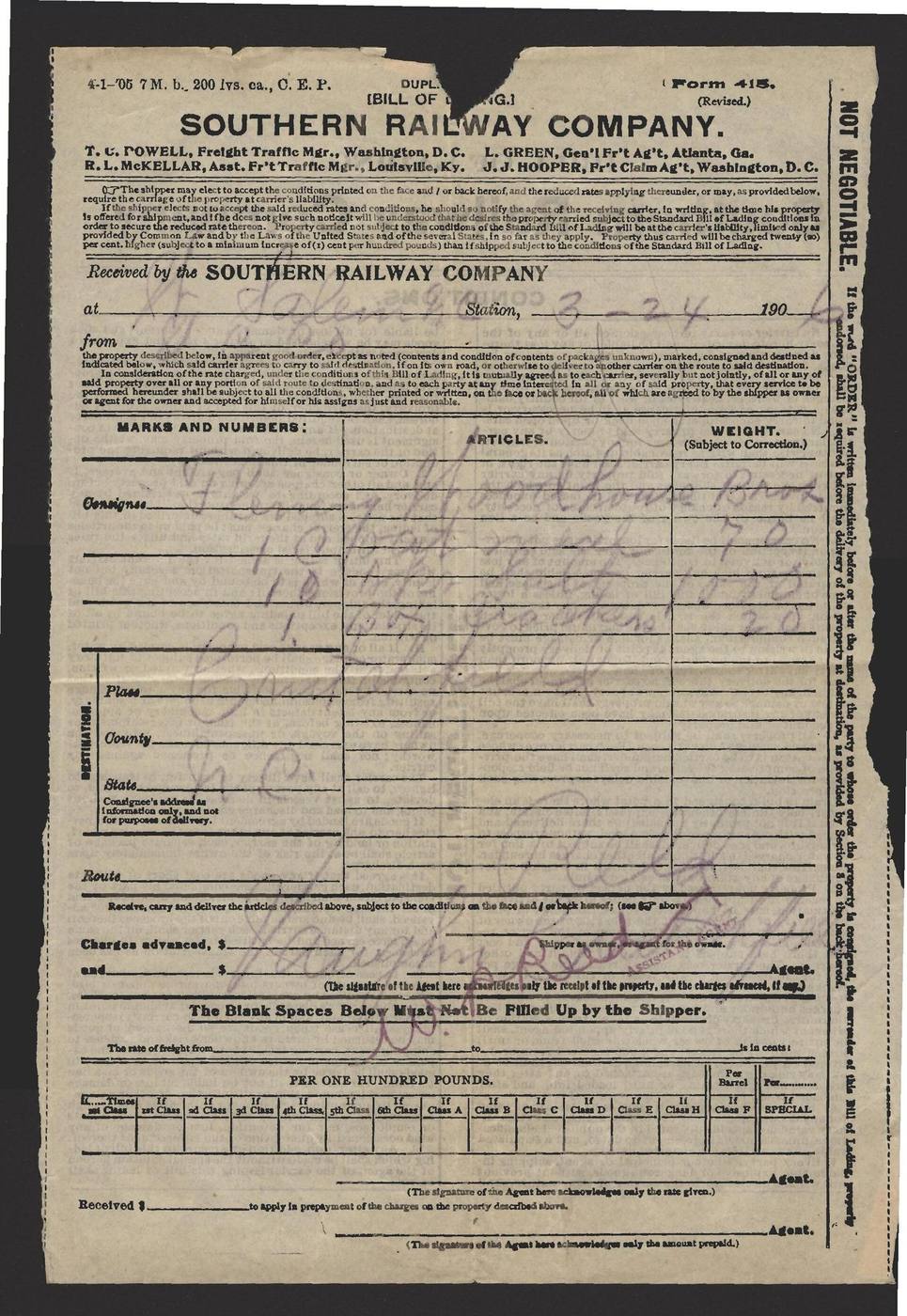
Where the copilot genuinely helps
- <strong>Recap drafting and summarizing.</strong> Turning a thread of offers and counters into a clean main-terms recap — mechanical, fast, checkable. Research demonstration
- <strong>CP clause cross-checking.</strong> Comparing a proforma against the house standard, flagging deviations — retrieval-plus-comparison, the model's strong suit. Research demonstration
- <strong>Market context compilation.</strong> Pulling position lists, recent fixtures, and rate commentary into a brief before a negotiation. Research demonstration
- <strong>Post-fixture paperwork.</strong> Voyage orders, laytime summaries, documentary checklists — the administrative tail. Established
Where it must not lead
A fixture is a commercial commitment with real money behind it. The copilot that drafts the recap is helping; the copilot that recommends the counter-offer price is making a judgement that requires market feel, counterparty knowledge, and accountability the model doesn't have. The honest line is the same as everywhere else in this stack: the assistant prepares, the human decides — and anything the assistant writes is checked before it commits the house. Maritime-GPT analysis
The confidentiality problem
Chartering runs on privileged information — positions, rates, counterparties, strategies. Pasting a negotiation thread into a general-purpose cloud chatbot is a confidentiality breach with extra steps. A chartering copilot has to run under a data-governance model — private deployment, retention controls, no training on your fixtures — or it's a leak, not a tool. This is the commercial version of the same constraint that drives onboard AI toward the edge. Established
The hallucination cost is contractual
In most domains an LLM hallucination is a wrong paragraph. In chartering it's a wrong clause — an invented arbitration reference, a misquoted demurrage rate, a warranty the CP doesn't contain — committed to a binding document. The mitigation is architectural: retrieval-grounded drafting (the model quotes the actual CP text, not its memory of what a CP usually says) and mandatory human review of anything contractual. The fluency is the hazard. Maritime-GPT analysis
What we know
- Document tasks — recaps, clause checks, market briefs — are the reliable assist zone.
- Commercial judgement and negotiation authority stay with the charterer.
- Data governance is a precondition, not an afterthought — fixtures are confidential.
What we don't
- Whether LLM-assisted chartering measurably improves fixture outcomes.
- How the market adapts when both sides' drafts are AI-assisted.
- The liability allocation when an AI-drafted term causes a dispute.
Being tested
- Retrieval-grounded recap and CP-comparison tools.
- Private-deployed copilots under commercial data governance.
- Audit trails for AI-assisted contractual documents.
Maritime-GPT analysis
Chartering is where the copilot pattern is most commercially real and most commercially risky — the document work is genuinely automatable, and the commitment authority genuinely isn't. The deployable product drafts the recap, flags the clause, compiles the market brief — and never sends, commits, or negotiates on its own. An assistant that touches money needs the tightest leash of all. Maritime-GPT analysis
This is a research feature, not operational guidance. Simulation results are reported as simulation; demonstrations are not deployments; company claims are attributed as such. Verify safety-critical decisions against official nautical publications and flag-state requirements.
Sources & evidence
The fluent-error risk that contractual drafting magnifies.
The retrieval-grounding pattern that keeps drafting honest.
The incumbent contract-digitization platform the copilot extends.