

Every routing decision has a hidden variable nobody optimizes explicitly: the casualty risk. The cheapest route and the fastest route are computable; the safest route is a probability — the path that minimizes the chance of the encounter that matters, whether that's a storm, a traffic density, or a navigational hazard.
AI's contribution isn't finding a 'safe' route — no route is safe — it's making the risk legible: quantifying the casualty probability across the forecast ensemble so the human can choose the level of risk they're willing to carry.
Key findings
- Safety is a probability, not a property — the 'safest route' is the one minimizing casualty risk across the forecast ensemble. Established
- The risk components compound — weather severity, traffic density, navigational complexity each contribute to the total. Established
- The optimization's honest output is a risk profile — 'this route has X probability of exceeding safe seakeeping' — not a safety claim. Maritime-GPT analysis
- The human still chooses — the AI quantifies the risk; the master decides whether the level is acceptable. Established
- The failure mode is overconfidence — a model that presents a route as 'safe' when it's only 'probably safer' is the dangerous one. Maritime-GPT analysis
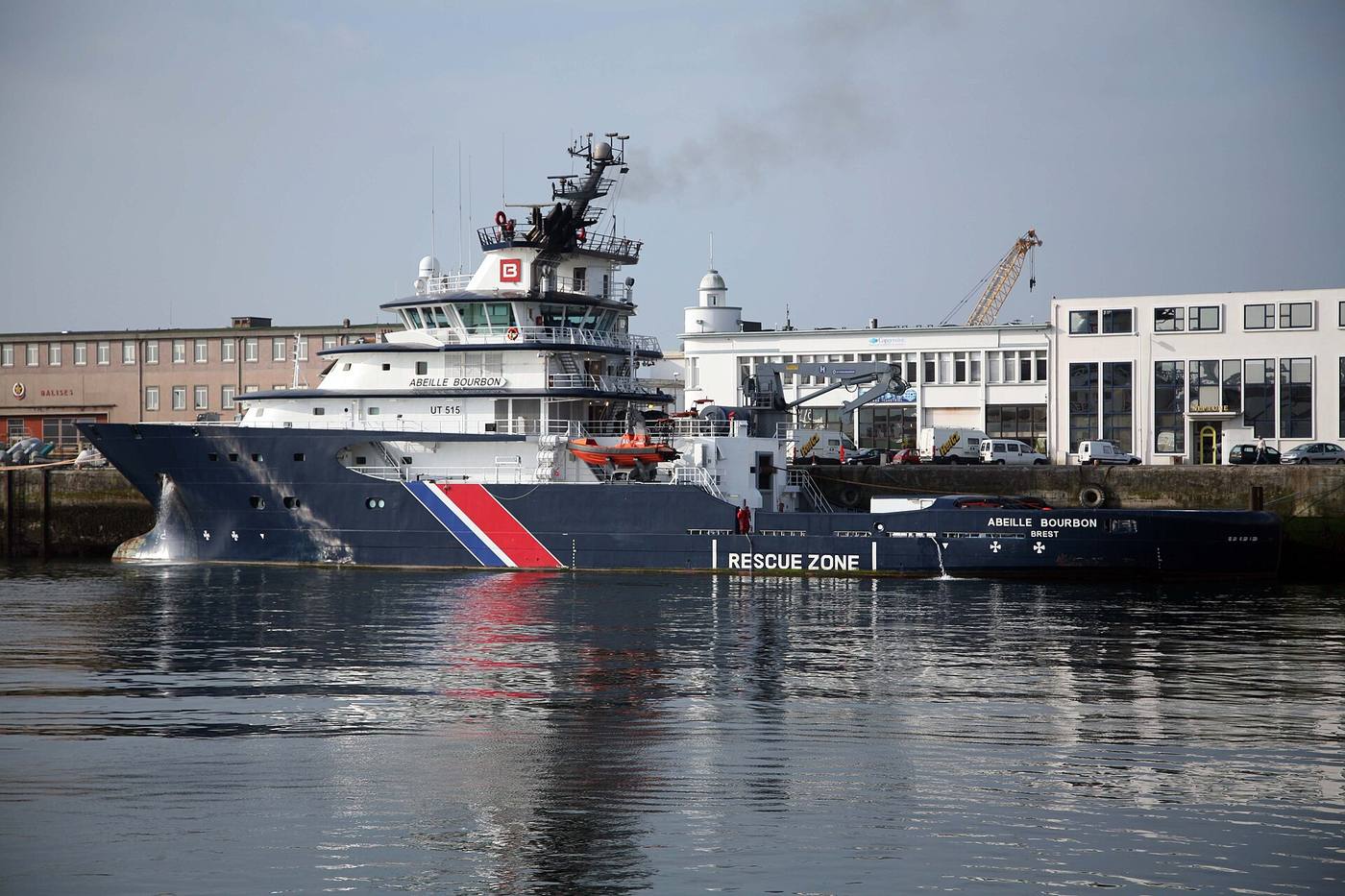
What 'safest' actually means
A route's safety isn't a yes/no — it's a probability distribution: the chance of encountering conditions that exceed the ship's limits, the expected severity of the weather exposure, the traffic-density risk along the path. 'Safest' is the route that minimizes the casualty-relevant risk across the ensemble of plausible futures — which means the AI's honest output isn't 'this is safe' but 'this minimizes the probability of the bad outcome'. Established
The risk components
- <strong>Weather severity.</strong> The probability of encountering sea states that exceed the ship's seakeeping limits. Established
- <strong>Traffic density.</strong> The collision risk along the route — congested lanes carry higher encounter probability. Established
- <strong>Navigational complexity.</strong> The confined-water, restricted-visibility, or pilotage-required segments. Established
- <strong>Vessel state.</strong> The ship's actual seakeeping margin given her load, draft, and condition. Established
The ensemble is the input
The safety calculation can't run on a single forecast — it must run on the ensemble of plausible weather futures, because the risk of a route is precisely the chance the forecast was wrong. A route that's safe on the mean forecast but dangerous on a quarter of ensemble members is a gamble wearing a recommendation; the honest system computes the risk across the spread and reports the probability, not just the path. Established
The master's choice
The AI's job is to make the risk legible — 'this route carries a 2% probability of severe weather encounter; that one carries 8%' — not to choose the risk level. The master's authority is the choice of how much risk is acceptable, informed by the AI's quantification. A system that outputs 'the safe route' is claiming a judgement it can't make; the one that outputs 'the risk distribution' is the tool that helps the human make it. Established
What we know
- Safety is a casualty-probability distribution, not a route property.
- The honest objective is minimizing the tail risk across the ensemble.
- The AI quantifies; the master decides the acceptable level.
What we don't
- Whether risk-quantified routing measurably reduces casualties.
- How to validate the casualty-probability models.
- Whether a 'safest route' claim can be made defensible.
Being tested
- Risk-profile routing dashboards for masters.
- Ensemble-based casualty-probability models.
- Validation of risk predictions against incident data.
Maritime-GPT analysis
The 'safest route' question is the one where AI's honesty is most tested — because the honest answer is 'here's the risk distribution' and the dishonest one is 'here's the safe route'. The AI's value is the quantification — making the casualty probability visible across the ensemble so the master can choose the risk they carry. A system that claims a safe route is selling confidence; one that shows the risk is delivering it. Maritime-GPT analysis
This is a research feature, not operational guidance. Simulation results are reported as simulation; demonstrations are not deployments; company claims are attributed as such. Verify safety-critical decisions against official nautical publications and flag-state requirements.